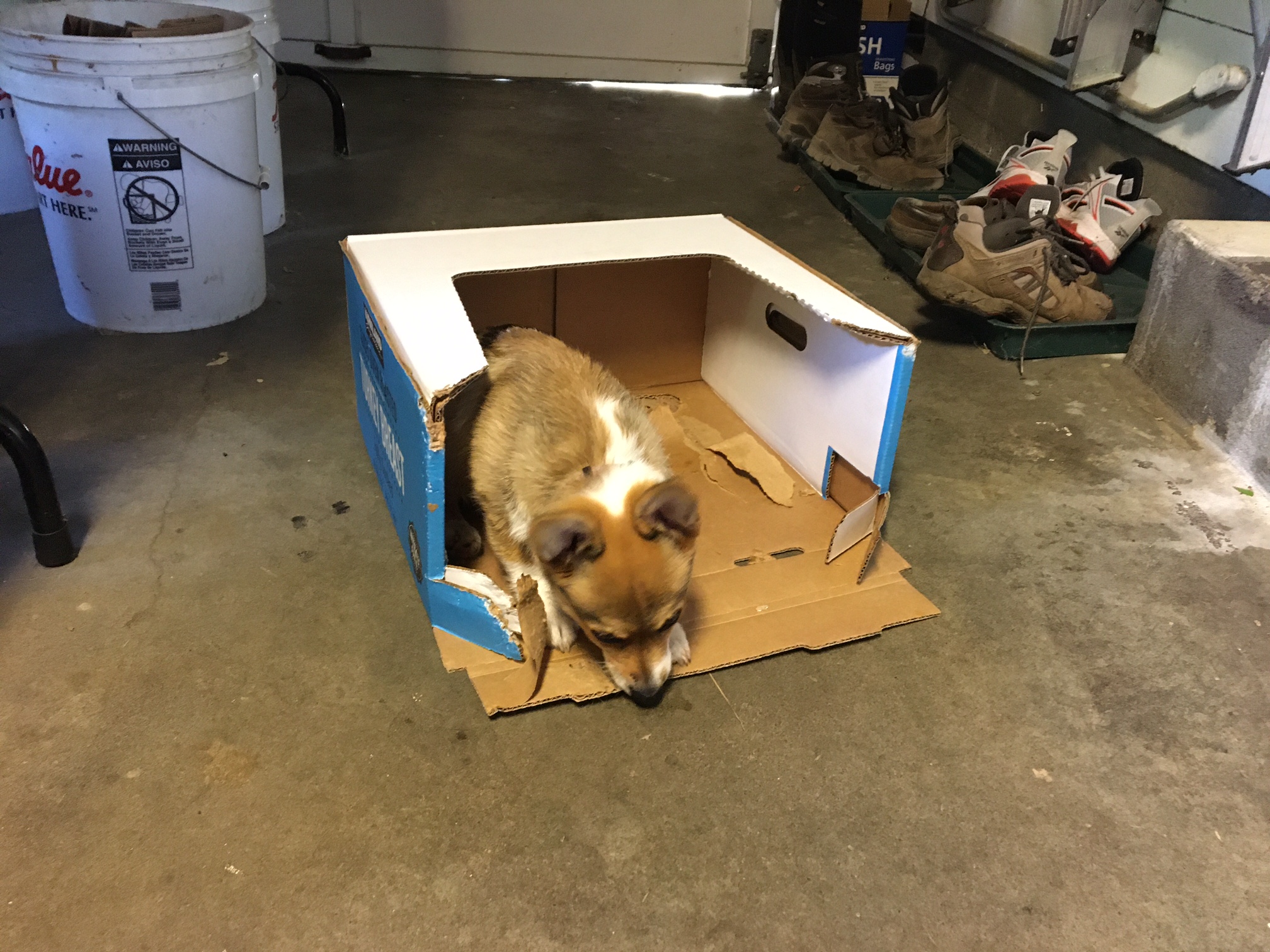
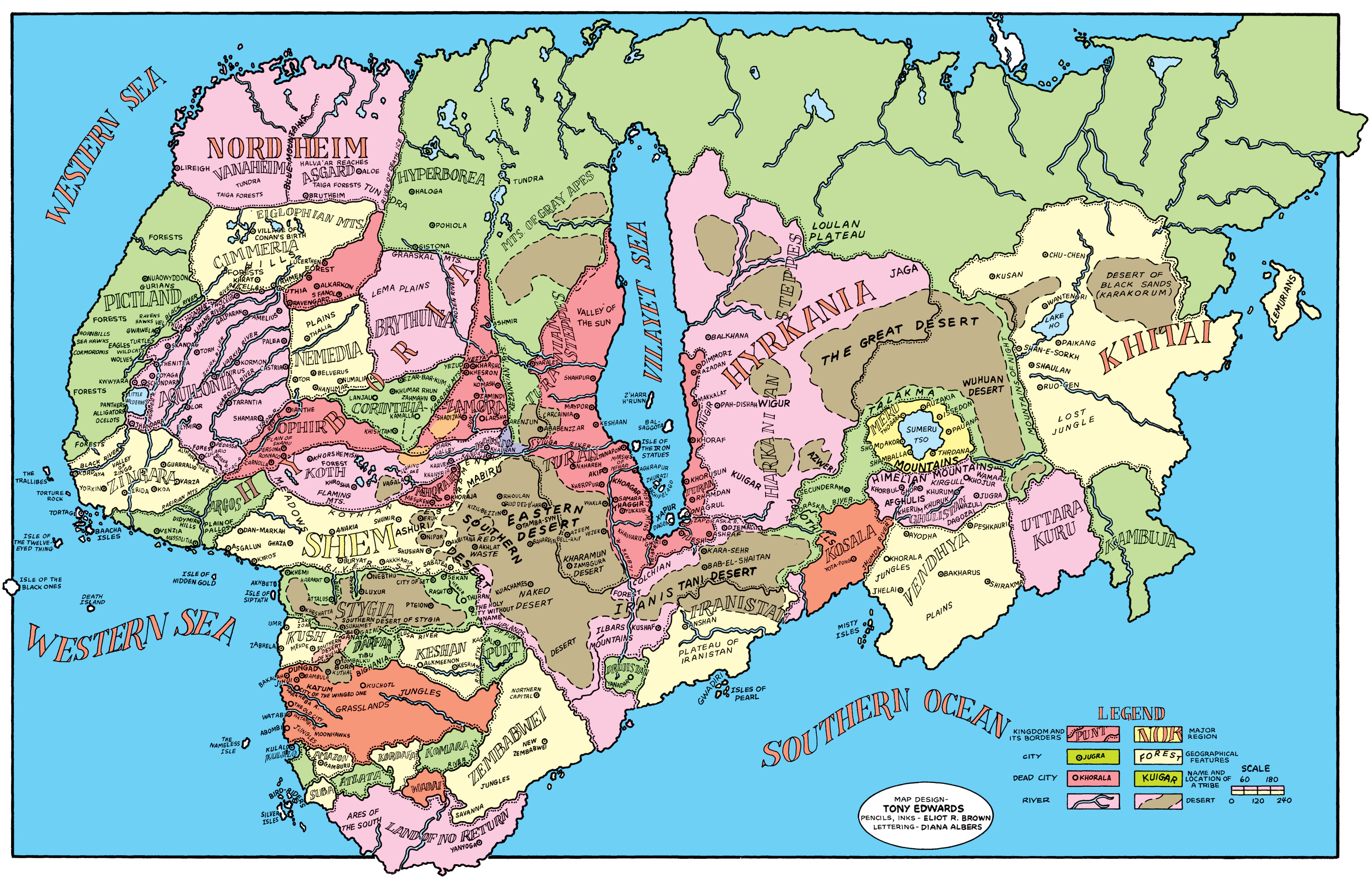
Hello distraction my old friend

Last week I received an email with this subject: HOW TO LAND A JOB IN INDIE LIT. I read about a class I could take, taught by a person who is a fiction editor for one literary magazine, a guest editor for two others, and a non-fiction editor for a fourth. She could’ve listed a fifth litmag where she was the editorial intern, but that zine stopped publishing in 2018. To land the job you love in literature, you must be prepared to work hard, not just at one job, but several at the same time. Be prepared not to make a pile of money, either.

And then I thought, why am I reading this? I have a job: Writing novels. So far it pays nothing, but guess what? I’m retired. The last thing I need is employment.

But I get distracted.

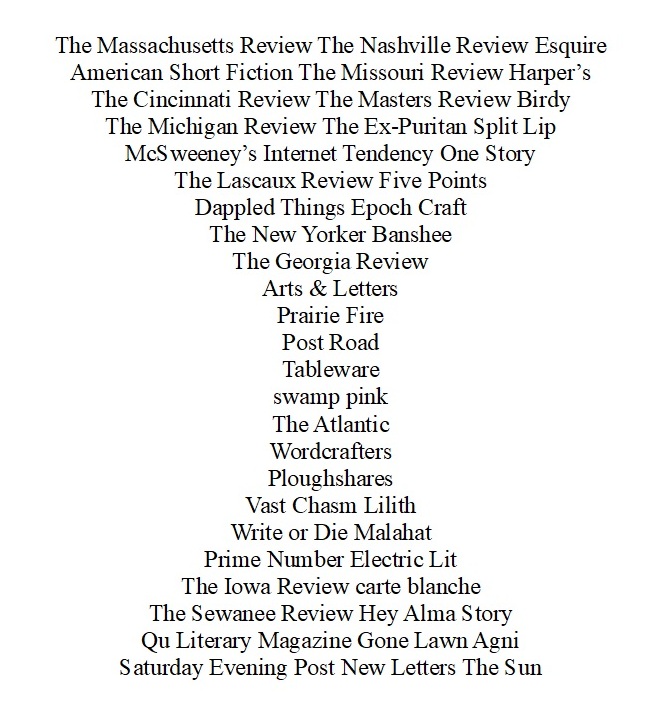
A newsletter arrives and offers me a list of 13 DAMN FINE LITMAGS WITH 5-10% ACCEPTANCE RATES. Later lists up the ante to 22 and 51 of these things. Literature moves slowly, but not if I submit a story to 13 LITMAGS THAT RESPOND IN 7 DAYS OR LESS. How about something prestigious: 10 LITMAGS TO LAUNCH YOUR WRITING CAREER and 9 INDIE PRESSES THAT WIN AWARDS FASTER THAN TAYLOR SWIFT.

I haven’t submitted anything to any of these places, but I think about them. Time is money. Thought is, too. Thinking about DAMN FINE LITMAGS and editors who respond to submissions in seven days or less because they live in another dimension is wasting money.

But then I received a newsletter from Barrelhouse (“Serious writing. Pop culture. News about things and stuff.”). If you’re wondering where the cool kids hang, it’s here. I would love to see my byline in their pages. The newsletter was a call for submissions for their “Dirty Issue”:

Barrelhouse wants the dirt. From playing in the dirt, to dirt on a rival, to the filth of humanity, to the grime or greenery of your particular locale, we want it all. Go ahead, tell us everything, you dirty birds! We want the kinds of stories and poems whispered behind cupped hands, the ones that giggle and scatter when you enter the room, the ones that draw grimaces and gasps. The stuff you find scrawled on the bathroom walls of a dive bar. Talk dirty to us, if that’s your thing. Talk about the feeling of “dirty” or being labelled as such. Got a dirty job? Tell us about it. Take us back to our childhoods, digging for worms and building mudpies; talk about the spaces, sensations, and memories full of dirt that mean a lot to you. 

By the Flaming Sword of Taylor Swift! That set me scrambling. I didn’t want to write something new, but what did I have that was old that I could fix up and that was about dirt, dirtiness, dirtitude? This wasn’t one of those times where I gave the submissions call 15 or 30 minutes of my day. I read my old blog posts. I read the files I had stashed in my SALVAGE folder. I considered past jobs where I couldn’t stay clean. I considered secret things I knew about people, but there weren’t many people or things and some of these folks are still capable of stabbing me in the pancreas. I considered secret things I knew about me, but those things are secret because they’re boring, not dirty. Where’s the dirt? Where’s the beef?

At last, I waded into my GIVE THE FUCK UP folder. And gave up.

What did I learn from this exercise? That when you’re occupied with something you shouldn’t be doing when you have something you should, two hours can pass like the snap of your fingers. That I should stabilize my rear deflectors, stay on target, and watch for enemy fighters. Because they can come at you even while you’re congratulating yourself for outrunning another day of internet distractions.

Contending with the distractions of Red Five and Gold Leader.

What do you do when you finish your novel ?

I’ve been so focused on writing my novel that it never occurred to me to wonder what life would be like when I was no longer writing.

True, I’m not finished. I wrote a first draft. I spent several days at the library, reading it and marking it up with different color markers and highlighters and attaching Post-It guideposts. It was exceedingly pleasant, in the fall weather, to walk the half hour downtown to the post office and then back again, with my book tucked into its own cardboard box, stopping for coffee and maybe a nosh somewhere along the route.

Then I took a week to revise based on my edits. This took longer than I thought it would. I’m a former copy editor. I’m accustomed to editing other people’s work and to following other people’s edits in my own. But there are many types of editing (check out this list) and I was never trained to edit for structure. Grammar, word choice, tone, dialog, rhythm—that I can look for. How it all fits together—for that I need help.

So I printed a fresh copy of the manuscript and handed it off to the head of my order. No, not my Chief Rabbit. My wife. Deborah has so far said, “It reads like a book.” She’s still immersed in it. Maybe she’s also consulting a marriage counselor. Haruki Murakami, in his memoir Novelist As a Vocation, mentions his wife exactly once, and not by name. He does say that she reads his early drafts. Then they argue and “harsh words are sometimes exchanged.”

In our house, we reserve harsh words for the occasional canine caper. I’m eager to hear what Deborah has to say. I’ve worked on my book almost every day for a year and I feel bereft without it. What am I supposed to write now? What do I do with all my notes, background material, and writing that led me down detours or into a cul-de-sac? Or do I pivot out of the book and into all of my abandoned stories and narrative misfires? Maybe I should write a memoir. Say something nice about my wife.

When I figure it out, I’ll let you know.

When I was working, Theodore Bernstein was my brother, my captain, my king. His books would seem antiquated now; this one, his last, was published in the 1970s. But for me he was a far more readable helper than Henry Fowler of A Dictionary of Modern English Usage.

Tale of the tape

When Ann Patchett finished writing her first book, she placed the manuscript on the floor, took off her shoes, and stood on this pile of paper to see how much taller it made her. Patchett did not reveal her new height.

Last week, I reported that I had finished writing my first draft. I thought I would put it away for a couple of weeks, but of course I kept playing with it, and the story stretched a few hundred words. When I hit 74,000, I said, Enough, and uploaded it to FedEx Office. I picked up the boxed manuscript today. I am 3/4″ taller. (If I had selected double spacing instead of space and a half, I would’ve been 1″ taller.)

I admit this is not the equivalent of the young Mickey Mantle launching a baseball on a 565′ parabolic course into baseball history, but it’s a momentous event in my little life.

On October 1, I’ll start reading. I’ll know going in that the quality of my work was checked by FedEx Office employee 6499086. FedEx wouldn’t have let my book out of their shop if it hadn’t met their high standards.

Today’s recommended reading

The Triggering Town: Lectures and Essays on Poetry and Writing by the poet and teacher Richard Hugo. This is a well-lit look under the hood of our weird craft, and so charming that it made me want to write poetry, which is not something our world needs. They don’t need it on Earth 2, either.

Hugo (1923-1982) was an original thinker and I’m sure he was an inspiring teacher. I’m inspired by Triggering Town, even though only a small part of the book is about triggers and towns and some of this stuff didn’t interest me and didn’t belong here (for example, politics in academia). Overall, it’s worth your time.

Random lines that spoke to me:

Give up what you think you have to say, and you’ll find something better…say nothing and just make music and you’ll find plenty to say.

You may object that the meaning has changed, that you are no longer saying what you want to say. Never want to say anything so strongly that you give up the option of finding something better. If you have to say it, you will.

…the single-syllable word with a hard consonant ending is a unit of power in English.

25 years of memory can kink a lot of cable

Some things are just meant.

[On notebooks:] Don’t use blank paper. Lines tend to want words.

Next week: I turn to chapter 1, page 1, and try not to be triggered.

How I broke on through to the other side

“The brick walls are not there to keep us out. The brick walls are there to give us a chance to show how badly we want something.” –Randy Pausch

I’ve discovered that when you’re writing a book, you lose some of the filters you’ve set up against the world. Words, sentences, ideas, thoughts, feelings, colors, moods, the weather, and the shit your Dad says all strike you as inspiring or instructional or something you should steal. These words, sentences, etc. can come from anywhere.

It’s no secret that I love trains. The characters in my novel work on trains, ride trains, try not to get run down by trains, would enjoy consensual sex on trains. I was reading the latest newsletter from Lance Mindheim, the man to go to if you want to hire a craftsman to build your model railroad, when I found this gem:

At some point, there will be folks who want to transition from casual recreationalists to modelers. Doing so entails moving out of your comfort zone and learning how to use new tools and new techniques. The techniques are usually pretty simple. The moving out of your comfort zone? It’s a lifelong roadblock for many.

Mindheim was talking about using an airbrush (“Using an airbrush isn’t like running a nuclear power plant. You push a button, and paint comes out.”), a barrier that forever restricts casual recreationalists to paint brushes and rattle cans. But I immediately thought of my career as a writer.

My comfort zone was writing short fiction. Novel-writing was my airbrush. I had to break out of that zone to write a novel. It was indeed a roadblock, and that roadblock stood fast for a long time. Mindheim described it more succinctly that I could.

One thing writers don’t have to worry about but modelers do is using too heavy a touch when painting or weathering your work. One coat too dark and you are screwed. But in writing, we can counteract too heavy a touch with two handy inventions: the backspace key and your editor.

“Have fun!” Mindheim concludes. It is fun. It’s too good to miss.

Word count: 73,548.

I’m done.

I began writing this book in the window of Common Grounds Coffeehouse in Portland, Oregon, and finished writing it on a late-summer afternoon, under the enormous Oriental plane tree outside the FireHouse Arts & Events Center in Bellingham, Washington.

Between “Once upon a time” and “The End,” I wrote in the basement of our Portland home and on the top floor of our Bellingham home. I wrote in many more coffee shops, where I mostly enjoyed the music. I wrote at the Clark County Public Library in Vancouver, Washington, with its glass face, astounding sunsets from the fifth-floor terrace, and its pleasant and good-looking librarians. I wrote in the lobby of our car dealer while our car was being looked after, and in the waiting rooms of doctors and dentists, where the music can only be endured.

Now all I have to do is read this damn thing.

The kind we grow here.

If it’s not Scottish it’s crap

Stuart MacBride is not just another Scot. He’s the best-selling author of the Logan McRae police procedural series. The man knows a thing or two about Scotland and also about writing. He recently said that your first book is probably crap. Stuart learned an important safety tip from another best-selling author, Socrates, who in 399 B.C. told his “Introduction to Novel Writing” students that their first book was definitely crap. His students forced him to drink hemlock.

MacBride said the first book he wrote was crap. The second book he wrote was crap. The third book he wrote he didn’t describe, but it sold after he became a best-selling novelist, so it must have been salvageable crap. The fourth book he wrote was crap. The first book he sold was the fifth book he wrote.

I appreciate the warning, laddie, but frankly, I don’t have that kind of time.

I don’t expect my book to be long-listed, short-listed, nominated, or selected. Nor will I consent to be pushed, filed, stamped, indexed, briefed, debriefed, or numbered. I intend to finish this draft, get the feedback I need, rewrite it, find an agent, and see it into print. While all that is going on, I’ll start writing my second book. Which, I hope, will not be crap.

Word count: 70,353. I’ve written 60,000 words since January 1, despite my wife’s surgery and Trump’s war on the United States. I’ve sailed 5,000 words past my original conception of the book. For what seemed like days, if not forever, my protagonist was standing at the edge of a forest. I didn’t know what to do with him. And then somehow I did know, and he walked into the trees, where I had figured out what for the love of god was waiting.

This way of writing is alien to my wife, who wrote six mystery novels under her pen name, Deborah Donnelly. I have no deadline. Ms. Donnelly had one every year, and she was writing mysteries vs. whatever it is that has me in a muddle. She had to condense the nonsense. She couldn’t think halfway through, “Maybe this character will be the murderer. No? How about this character?” or “Clues. I want one.” She had it all figured out in the beginning. As usual.

How Lucky handles deadline pressure.

Time enough at last

When I turned 13, my pre-school sister believed that I had attained godhood. “You’d better watch out,” she told some preteen hooligans at the beach. “He’s a teenager, you know!” This almost got me into a fight with a pack of pudgy 11-year-olds. I would’ve had to hack my way out with a paperback copy of Starship Troopers or a rolled-up issue of The Writer.

I don’t know how I got hooked on The Writer, but I do know that The Writer introduced me to Lesley Conger. Each month, Ms. Conger (a pen name for Shirley Suttles) wrote a column called “Off the Cuff” that seemed written expressly for beginners, dreamers, and starry-eyed dragon-slayers. Count me in. She was the only writer I knew (I felt as if I knew her) and she was encouraging. Her plain talk made a career in writing seem possible.

(I’ve just been informed that WordPress will not allow me to bring my parents back from the dead to offer their perspectives on their son’s choice of career.)

Ms. Conger, in a reflective moment, wrote that in high school her vision of herself as a writer included a Swiss chalet, a fire in a stone fireplace, reams of fresh typing bond, and her typewriter. No worries, no responsibilities, no interruptions. Just words dancing down the page. In high school, I tried to replicate her vision in my parents’ basement, excavating a place for myself in the gloom of the cast-off and the forgotten, but after awhile it began to seem like solitary confinement down there.

Recently, I learned about writing residencies.

There are more than 500 residencies in the United States. Their programs are, literally, all over the map. Some offer you a cabin in the woods, where you can sit all day and open a vein and try to write and they bring you meals until you blow your brains out. In other programs, they want you to write but they also want you to teach a class, deliver a lecture, visit folks in a nursing home, pull toddlers from a three-alarm fire, and collaborate with your fellow residents, who could include artists, sculptors, choreographers, UFO contactees, etc.

I am not moving to a chalet in Switzerland or anywhere else, but I could go away to one of these cabin-in-the-woods places for two weeks. That sounds like a dab of heaven, and a lot more comfortable than a basement. There are pluses and minuses, though. No dogs to walk, for example, but also, no dogs. No wife to contend with, but also, no wife. This summer, after some discussion with my wife and many guilt-ridden biscuits supplied to dogs, I applied to two programs where the only money I have to come up with is for transportation there and back again.

If this doesn’t work…I’ll stay here and keep dancing down the page. Word count as of today: 63,200.

Tango dances down the log.

How to unstructure a novel

We like to go dancing on New Year’s Eve. We never know what kind of band will play for us. The earnest young people who tone down their playing so as not to spike Boomer blood pressure? The cool old guys who always wear Hawaiian shirts?

The uncertainty is part of the festivities, but there was a band years ago that swung into “Sharp Dressed Man” and immediately revealed that they didn’t know it. Deborah thought maybe someone had described it to them. Why else would they rip the bass line out of “Smoke on the Water”?

Years ago, I envisioned the climactic scene of my novel, from the circumstances that birthed it to the moment when the Forces of Good triumph. I even imagined the soundtrack. I started writing this scene in late May, and here it is July and I am still writing it. The scene, which keeps surprising me, so far covers two chapters and 25% of the entire book. Perhaps my readers could read that and skip the rest. It would save time.

Anyone reading what I’ve written so far would wonder if I had ever read a novel. Perhaps I’ve only had a novel described to me.

Well, it’s the first draft. I’ll fix it in post.

Word count as of today: 61,144

Until next time, keep your head in the clouds and your paws on the ground.

What I did with my New Year’s resolutions

To start the new year, I always make one or two resolutions. This is because I once interviewed a psychologist who told me that if you make more than two, you’ll make yourself sick. And to put an extra string on my bow, I try to start a few weeks early.

In 2024, after I had recovered from everything I ate at Thanksgiving, I resolved that in 2025 I would finish writing the first draft of my novel. I estimated I was writing a 65,000 word book, which is on the slim side for a novel, and I further resolved that I would finish it yesterday–the day of my birthday party. I usually make an absurd speech at my birthday party, and brandishing a first draft in one hand and a bottle of champagne in the other seemed like it would impress everybody, even people who know me.

In May, I realized I was writing a much longer book. There was no way I could make my deadline, and, in fact, I didn’t. But the day before the party, while I was writing, I arrived at a gap in the narrative, or in my brain. I turned to the skies and waited for an inspiration. There was no inspiration. But when I again looked at my screen, I glanced at the word count and the number I saw was something I should play in the lottery or something I should announce to a sunny backyard full of friends who were eagerly awaiting their crack at the frosted cupcakes.

I chose the announcement. Here’s the number: 59,590.

The psychologist I interviewed said that it’s OK if, by the end of January or the end of June, you haven’t achieved your goals. So long as you’re still trying, you’ll be far happier than everyone who gave up or forget most of their resolutions in the first month. I’m happy. And not just because I love cupcakes.

I miss rejections!

I don’t miss the act of an editor saying “No.” What I miss is the hope. For example, starting the new year by submitting five stories to 25 magazines. Off they go, and I wait patiently to see which one will change my life.

Will a “Yes” change my life? I can think of two that did. The first time I sold a story, I decided to keep going. And years later, when I won my only contest, I decided to keep going. If I’m submitting stories, I’m part of a literary conversation, even if I’m the only one who knows it’s a conversation. It gives me hope. As Mr. Micawber said in David Copperfield, “Something will turn up.”

When I got serious about finishing the first draft of my novel, I decided to eschew distractions. I couldn’t eschew my wife and our dogs, but I stopped hunting down magazines and editors and submitting stories. In fact, I stopped writing stories. Been there, done that, went somewhere else.

And then I hit that point in the novel-writing game where you ask yourself, “What am I writing here?” And “What happens next?” And “What the fuck…” I didn’t panic. I knew I’d find my way. But I decided to fall back on something familiar.

I have two stories that have been sitting in limbo since the day I finished them. It could be that I never sold them because I think they’re finished but they really aren’t. I don’t know. But I’m giving them one last chance.

For story #1, I hired a service that reads the story, considers what I want (money and social media activity, primarily), and then recommends 10 places to send it. I attended a webinar run by the two editors running this thing and they impressed me. The 10 zines they chose surprised me. They were all lively, interesting, and appeared to be part of a larger conversation. This service cost me $50.

For story #2, I followed my usual strategy of choosing 10 places based on what they pay.

The way literary magazines work, some will be open for submissions when you visit their site and some won’t open until September. Some editors will respond to you within a week and some within a year. Most will say “No.” Stephen Marche, in a depressing book with the uplifting title of On Writing and Failure, wrote that “rejection is the river in which we swim.” He’s right; the majority of us will receive far more rejections than acceptances. Everyone else says to grow calluses; Marche says we should “relish the rejection.” Don’t go down that road. Note the rejection in your log or diary or scratch it into the wall and submit the next thing. Get back to work.

The lesson I learned from this exercise (this vacation from my book) is that I don’t want to submit stories anymore. It takes too long, even though they don’t call them short stories for no reason. They’re only a few thousand words each. A novel, a single work, suddenly seems simpler.

Well, I’ll let you know if I get any takers. Meanwhile, my break is over, and I am again forging–slowly–ahead. I just reached 56,004 words.

Scoreboard update

As I write this, I have published four stories in four years. How have I maintained this blistering pace? When the railroad was invented in the 1830s, scientists were concerned that women were too delicate to travel so quickly. A forward velocity of 20 miles per hour would surely make a woman’s head explode, whereas we now know their heads explode because of Donald Trump.

I was paid well by today’s standards for all four stories. That’s a miracle here in the 21st century, when writers are so often compensated with likes, hearts, clicks, and “exposure” (that thing you die from). I remember Harlan Ellison hollering “Pay the writer!” in a documentary about his life. “Are you paying your printer? Your webmaster? Your artist? Pay the writer!”

Two of my stories featured women and three featured people in middle age (another miracle, given that most editors graduated from college about a week ago). Two are behind a paywall. My topics included chess, trains, sex, family, marriage, and baseball. All the major food groups. They were all fun to write, though the one I wrote based on my parents came close to killing me.

I find it interesting—to me, anyway—that I’m finding homes for these stories after I decided not to write more short stories. I swore an oath to the head of my order to write novels from now on.

That brings me to my first novel and my first draft, which today hit 52,300 words. I ended last week with 51,920 words. 380 words in one week? That’s barely more than 50 words per day. That’s how things go in the first draft, I suppose. Sometimes the words flow and sometimes I have a lot to think about. Anyone watching me would commit suicide to escape the boredom.

I’d like to finish my first draft by the end of June. How long will my draft be? My guess is 65,000 words. That means I have 12,700 words to write, or 2,546 words per week, or 363 words per day. That’s just a long email…if you know where you’re going.

I’ve been writing 10,000 words per month since December, so I’m confident I can do this. 10,000 words per month, or 120,000 words per year, isn’t much. Barry Malzberg, at the height of his career, claimed to be writing a million words per year. I imagine that Ray Bradbury, Norah Roberts, Danielle Steele, Stephen King, Dean R. Koontz, Robert Silverberg, and several others, in their prime, hit one million per year. They are out of my league. My current pace will get me where I want to go, and without my head exploding.

Lucky and Tango rest after a some major deconstruction in my archives.