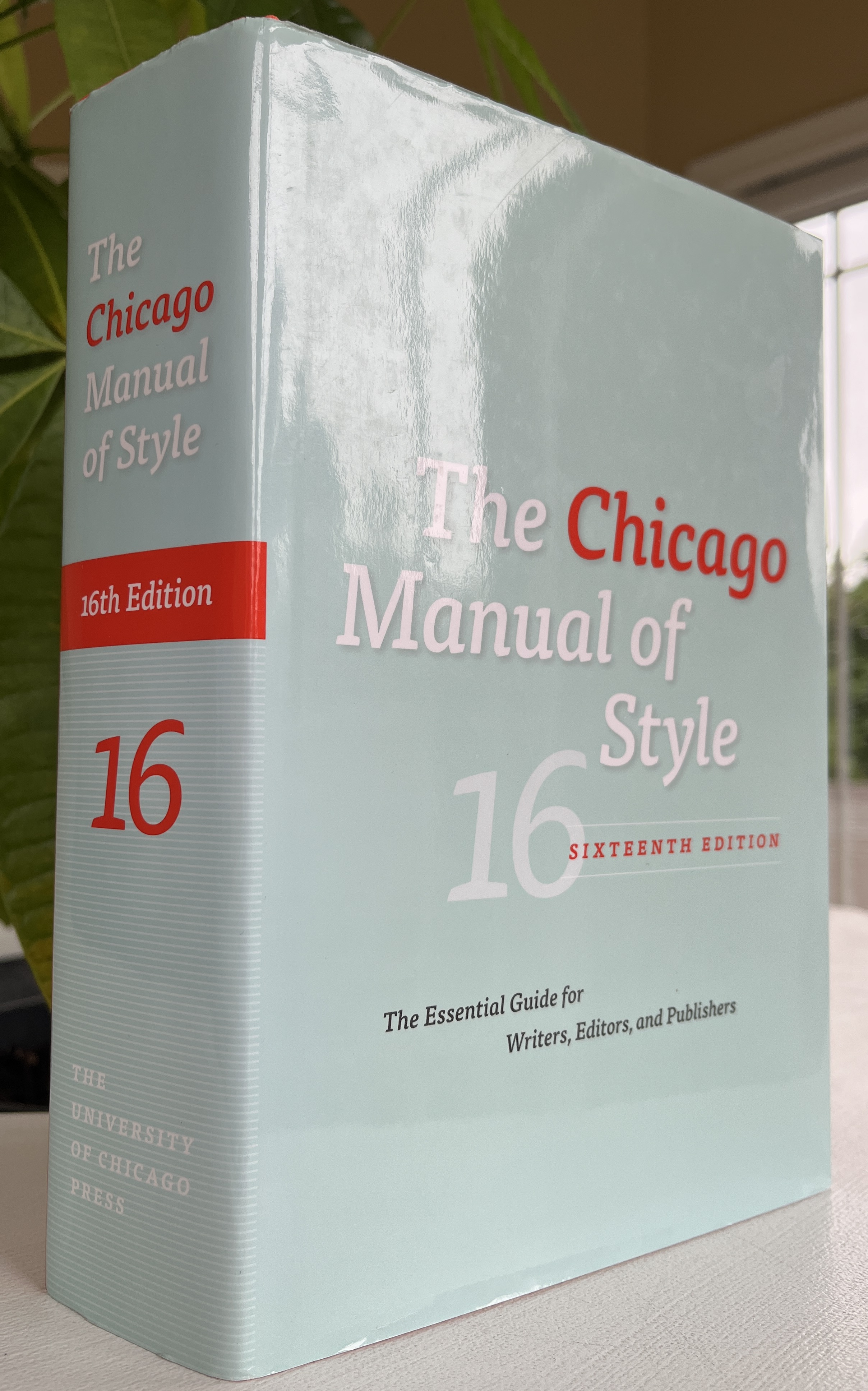
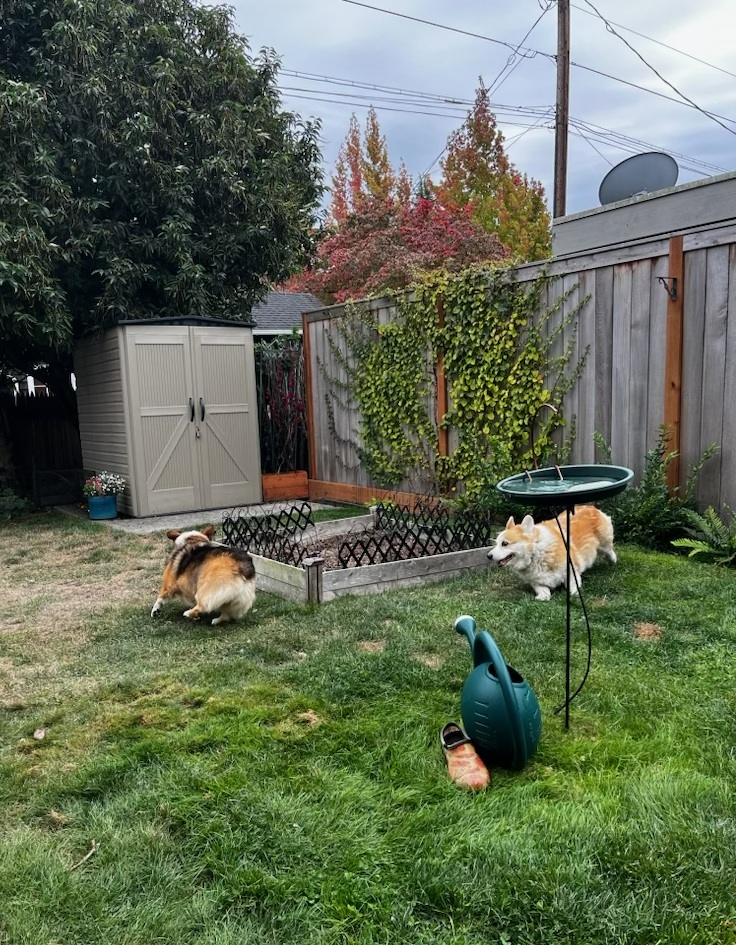
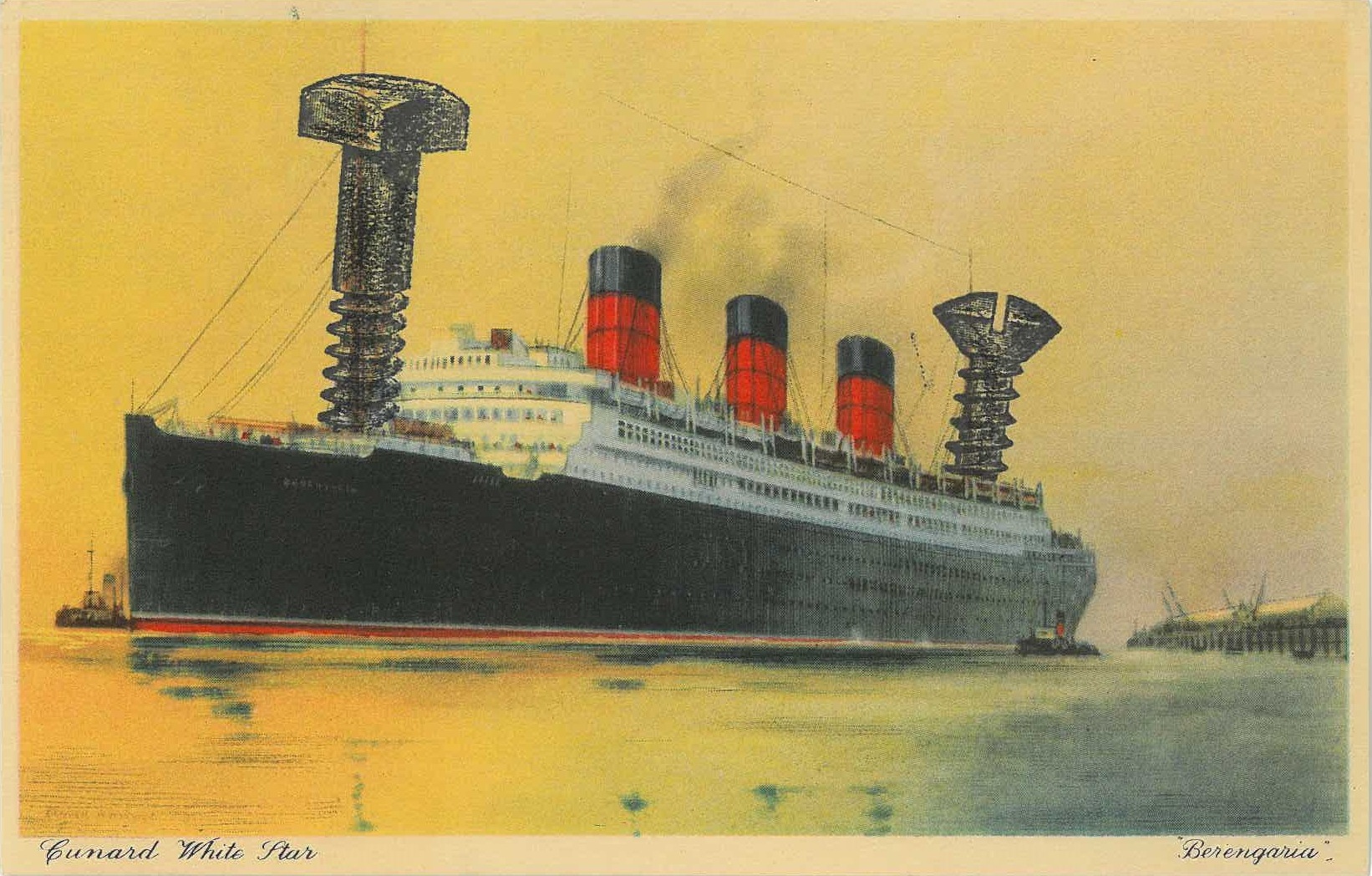
Can writing be taught?

My answer is no. Last month, at the Port Townsend Writers Conference in Fort Worden, Wash., I was prompted, challenged, and possibly transformed. But on the day I arrived, I already knew how to write. I doubt that any of my fellow students, all 150 of us, came to the conference to learn to write, either.

But lets hear an opposing point of view.

The Famous Writers School of Westport, Conn., was not an MFA program or even a low-residency MFA where you do everything online but meet in person once a year. The Famous Writers did business only through the mail. The school imploded over shady business practices in 1972 but lives on in a lengthy entry on Wikipedia.

Those of us who were reading magazines in the 1960s (I was young and precocious) remember their ads, usually featuring an authoritative, mature white male, under headlines such as “We’re looking for people who want to write” and “I FIRE WRITERS…with enthusiasm!”

The 12 famous writers who lent their names to this enterprise did not prepare lessons or grade homework, though that was the promise. A bunch of second-string drudges did that. The true story was broken by Jessica Mitford, who has her own lengthy entry on Wikipedia.

(Among the Infamous 12 were three writers I respect: Bruce Catton, Max Shulman, and Rod Serling. Everyone has to eat. Oh, also Bennett Cerf, the co-founder of Random House and a long-running joke in my house because of the title of his book Try and Stop Me.)

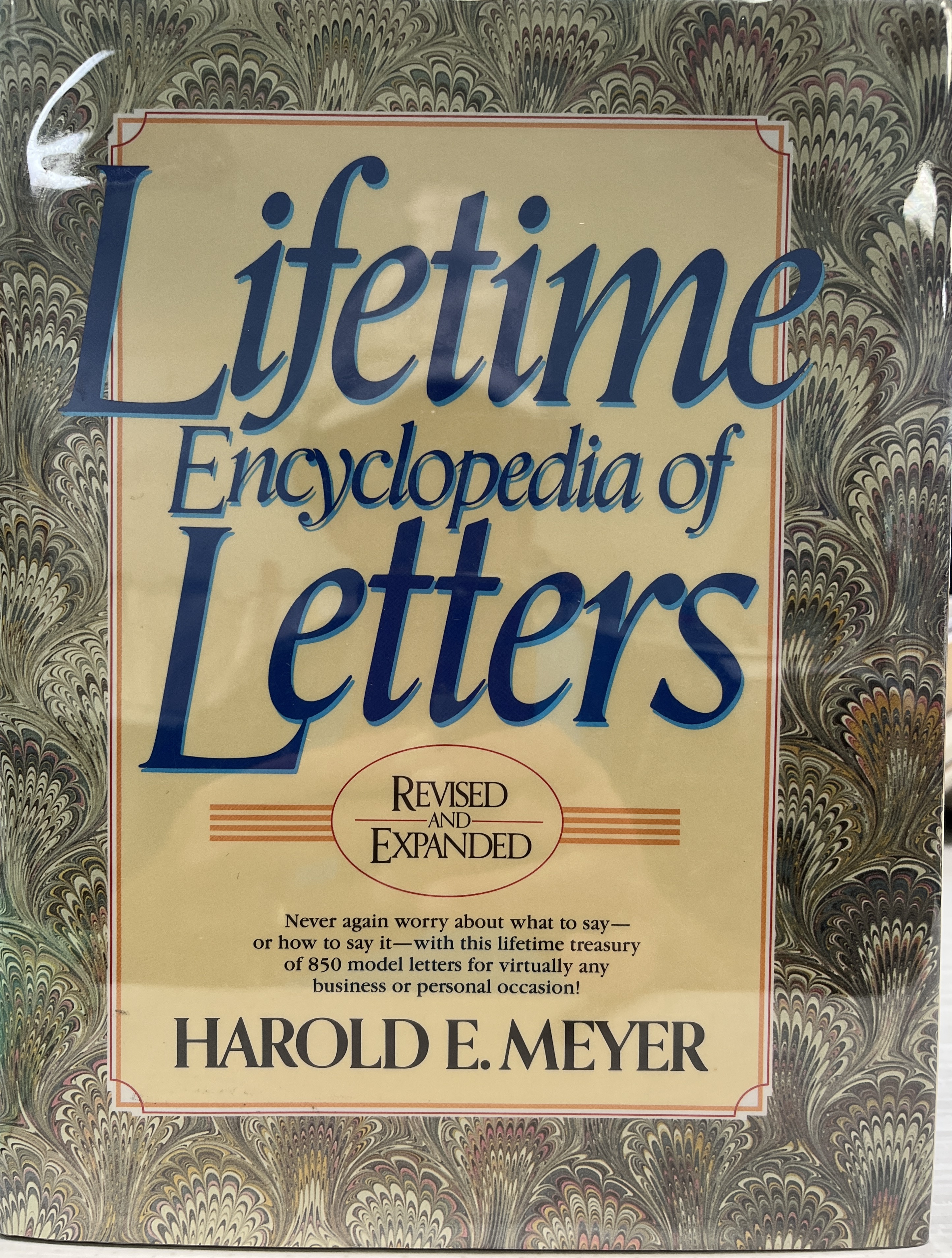
The Famous Writers School was a hustle, and yet somebody learned something. I recently found one of their flyers inside a book I bought at a library sale. The flyer, from about 1969 or 1970, offered these testimonials:

  • Sells fourth book: “Your training has paid off! I’ve sold my fourth book to the New York publisher, Abelard-Schuman.” Eileen Panowski, Los Alamos, NM
  • Sells 11 stories in 6 months: “Just received a check from Ellery Queen’s Mystery Magazine. That’s 11 stories in six months.” S. Novak, Wayne, NJ
  • Lands job as society editor: “Thanks to you, I was recently hired as society editor of our local newspaper.” Mary Neatherly, Hardin, Mont.
  • Cracks science fiction market: “After two years of trying, I sold to Fantasy & Science Fiction a few months after enrolling.” R. Lory, Richmond, VA
  • “I can see the good life now,” says a former police officer, William W. Blanks of LA. “Recently I sold three more articles, which means that so far I’ve sold everything I’ve written since enrolling in your School!”

Who were these folks?

Eileen Panowski (1920-2011) wrote six mystery novels for “teen or intermediate” readers. The Apache Gold Mystery (1965) was an Edgar Allan Poe Award nominee. (Source: Nebraskaauthors.org, where they misspelled Allan)

Mary Jean Neatherly (1920-1989) worked as a secretary for the Hardin Herald, now the Big Horn County News. Theres no mention in her obituary of being the Herald’s society editor, but that might be because of the era. The paper didnt value her contributions because she was a woman writing for other women and she performed this function while also serving as a secretary. She was a member of the Poetry Writers Association of America. (Source: Findagrave.com)

S. Novak received a check from Ellery Queen Mystery Magazine. Im sure it wasnt a subscription refund. Unfortunately, EQMM does not maintain a public database of its authors. Theres a Steve Novak writing today, but he is way too young to have received a check from anyone in 1970.

Robert Lory (1936-2020) graduated from the Famous Writers School in 1964. He wrote dozens of novels in the 1970s, including the nine installments of the “Return of Dracula” series. (The title that intrigues me is Draculas Brothers. I love an involving family saga.) But check this out: His story “The Star Party” was selected for Worlds Best Science Fiction: 1965. His neighbors in that book included Fritz Leiber, Philip K. Dick, Thomas M. Disch, and John Brunner. “The Star Party” is the story Lory mentions in his testimonial. (Sources: Wikipedia, the Internet Speculative Fiction Database, Library Thing)

William Winfield Blanks (1928-1989), the former cop, wrote two episodes of the 1976 TV series The Blue Knight, based on the novel by Joseph Wambaugh, a former cop. (Source: A poorly written site called Prabook and the Internet Movie Database)

To judge from the Wikipedia write-up, the Famous Writers School failed almost everyone. But a few writers were able to say that they could see the good life. The people pinch-hitting for Bennett Cerf, Rod Serling, and the other authors of this authorial scam really did teach them how to write. Or did Eileen Panowski, Mary Neatherly, and their colleagues already possess that superpower? Maybe all they needed was some acknowledgement.

We will never know.

Don’t any of you send me your copy of Draculas Brothers.

What I did on my summer vacation

I go to a writing conference every 20 years. So when I go, I had better make the most of it. The Port Townsend Writers’ Conference at Fort Worden, Wash., was the most.

It’s going to take me awhile to digest this experience. All I’ll say this evening is that my week at the conference was inspiring and surprising. I wrote something I never thought I’d write and made connections with people I never thought I’d meet. Fort Worden is a state park, and I walked six miles a day, over a hill, along a beach, out to a lighthouse, through a cemetery, and many laps around the former parade ground.

I spent so much time with the deer that they stopped running from me. In another week, they would’ve invited me to dinner. Fiber. They know.

Fort Worden was once part of a series of forts that guarded the United States against seaborne invasion. This was a good idea when Capt. Horatio Hornblower was trading broadsides with Napoleon. It wasn’t so good after the invention of the aeroplane. But the Coast Artillery Corps built Fort Worden anyway, along with its friends, Forts Casey and Flagler, a “Triangle of Fire” that would destroy any fleet that menaced Seattle.

The only thing that ever menaced Seattle was Tacoma. The Coast Artillery Corps disbanded all three forts by 1953 and then itself. All that’s left today of the mighty CAC are the empty gun emplacements overlooking Puget Sound and the Coast Artillery Museum at Fort Worden. The museum is closing in September. Budget cuts.

I bought this shirt for half price:

Below is one example of what they built in the 1900s to hold off unnamed enemies. The rooms beneath the fortifications are open to the public. How many teenagers have been deflowered in there?

It’s about a mile around the parade ground. In the next photo, the barracks I stayed in is on the right. The cloud in the gap between the trees, to the right of center, is actually Mount Baker, far to the north of Fort Worden and just east of my hometown of Bellingham.

My barracks at night:

The cemetery, established with the fort, is still in use, for veterans and civilians:

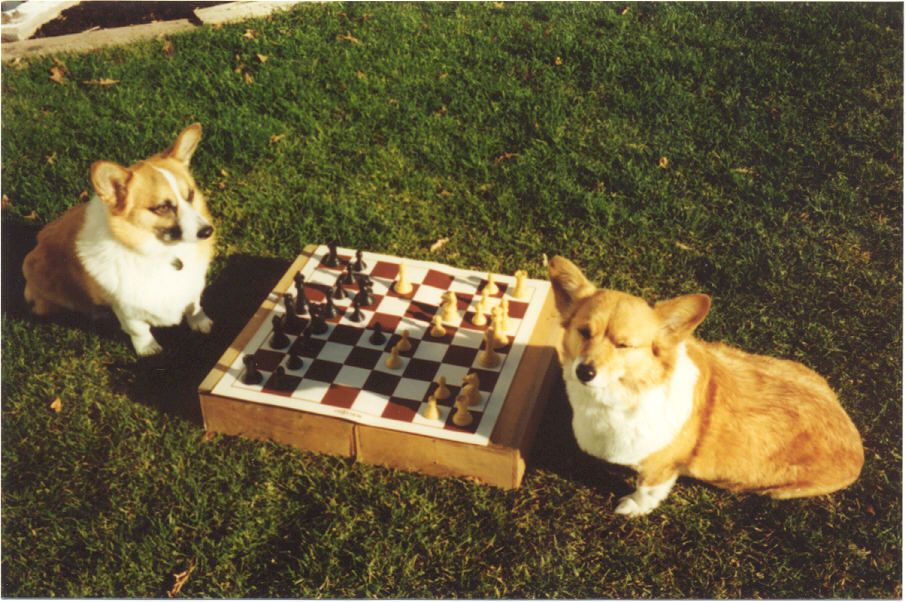
I wrote a lot, learned to refrain from snacking because the cafeteria was closed between meals, talked poetry with the professionals, bantered with best-selling novelists, rocked the room on open mic night, and won the hand of a proud, aloof beauty named Willow. OK, the paw. Willow is a King Charles spaniel, though she might be part Pomeranian. There appears to be some disagreement on this point. I accept her as she is.

I’m happy to be home and ready again to dispense more half-baked wisdom!

And you may ask yourself, “Where is that large birthday cake?”

My birthday season is in full swing and I couldn’t be happier. We ate dinner in our favorite Italian restaurant, where the food was fab and the waitress was stoned. “May I have a knife?” I asked her, because she had neglected to bring one. She replied, “Yes, for your chicken,” as if congratulating me for understanding utensils. Deborah, as if foreseeing this difficulty, had ordered something vegetarian.

We have a picnic with excellent old friends lined up for the Fourth. I have a writing conference lined up for mid-month, a sort of fantasy baseball camp where I won’t have to depend on my eye-hand coordination. Our main activities will be a) talking about writing, and b) complaining about money.

Meanwhile, look who else is having a birthday: The United States of America! Good work, everyone!

In honor of our nation’s birthday, and because I immigrated to this country from the People’s Republic of Massachusetts, I want to spotlight my favorite boat, the Constitution, as seen in this 1960s postcard from the Charlestown Navy Yard:

Like most things that were built in another century, it’s a miracle that Old Ironsides still exists. It is the oldest active-duty warship still afloat, in our navy or anyone else’s. (HMS Victory, Nelson’s flagship at Trafalgar, is still a commissioned warship, but the British moved her ashore after she was damaged during the Blitz.) For this miracle we can thank Oliver Wendell Holmes Sr. and a poem he wrote in 1830 when he heard that the Navy planned to decommission and scrap the Constitution:

Oh, better that her shattered hulk
Should sink beneath the wave;
Her thunders shook the mighty deep,
And there should be her grave;
Nail to the mast her holy flag,
Set every threadbare sail,
And give her to the god of storms,
The lightning and the gale!

In 1830, this was incendiary stuff, and the public rallied to save what was quickly becoming a sacred relic.

On July 4, 2024, the Constitution appeared in the WordPress blog wwiiafterwwii. You may wonder why a sailboat launched in 1797 would appear in a blog devoted to 20th-century war junk. OK, it’s a stretch, but the blog’s creator, the anonymous jwh1975, used his post that day to celebrate our nation’s birthday by profiling the Coast Guard cutter Eagle and the Constitution. The Eagle was formerly a Nazi ship, so that’s her connection to the war. As for the Constitution:

On paper USS Constitution was the flagship of Rear Admiral Felix Gygax, commander of the 1st Naval District which had its GHQ relocated to Boston during WWII. Quite obviously it was not a suitable flagship for commanding the high-intensity, long-range conflict against Germany’s u-boats and was not used as such.

During WWII, the Constitution served as a brig and a storehouse for foreign flags and ceremonial swords. We all have a part to play in this life.

Today, the Eagle is used to train sailors in teamwork. The Constitution, however, simply exists:

USS Constitution is a fully commissioned, active-duty warship. The 83-persons crew are active-duty officers and enlisted sailors. Unlike USCGC Eagle which retains a utilitarian training function, USS Constitution has no mission of any sort. Congress funds its continued active service simply because American voters want this.

Happy birthday, everyone, whether it’s your birthday or not, and remember that telling your stoned waitress it’s your birthday usually results in a free dessert. Smooth sailing to you in the coming year. I’ll be back on Sunday, July 26, somewhat older but hopefully wiser. But I’ll still complain about money.

Things that go clack in the night

The last time I took a typing test was in 1985. I was seated at an IBM Selectric and given a sheet of text to reproduce. I rolled a sheet of blank paper into that humming power plant and started typing. After the timer went off and my errors were deducted, I had hit 120 words per minute.

I may be off a bit in the year and the score, but you get my point. I was fast, even on the incredible hulks I grew up with. When I was inspired, I could produce a rolling thunder that drove my family to exile me to the basement. I tried a typewriter here in adulthood. I was already in a basement. My wife suggested the garage.

Computers make us all fast (the internet makes us furious). Here are the top three word-processing time-savers:

“Don’t think. Type.” I’m paraphrasing Ray Bradbury, who said “dream.” On a computer, you can type forever without stopping. On a typewriter, when you reach the end of a line, a bell sounds and it’s up to you to whack a lever so you can start the next line. We worry that computers train us, but look what a typewriter did with one little bell!

The magic of the backspace key. Changes cost nothing. “I can’t write five words but that I change seven,” Dorothy Parker lamented. If you could’ve given her a laptop, she would’ve given you the chair next to her at the Algonquin Round Table.

Global search and replace. With a computer, if you decide some paragraphs are in the wrong place, you highlight ’em, cut ’em, and drop ’em somewhere else. Easy. With a typewritten manuscript, you cut up the pages, throw away the extraneous parts, do some rearranging, and tape the thing back together. Want to get fancy? Run your taped-together monster through a copier to make everything cleaner so you can start cutting and taping all over again.

Does all this sound like I am dancing on the grave of the typewriter? I’m not dancing on anything unless you’re playing Duran Duran. And anyone who has ever corresponded with me knows that I love typewriters. The monthly Typewriter Afternoon at our library leaves me quivering with antici…pation. I am in awe of the intrepid woman who lets the public use her machines.

Typewriters: Letters, yes. My novel, no. Writing fiction is slow enough.

Historical note 1: The science fiction writer Frederik Pohl claimed that he wrote a story in 1936, sold it in 1937, saw it published in 1938, and was paid in 1939. This is not too far off from the experience of writers today, except for the getting paid part.

Historical note 2: In 1990, I took my typewriter to my regular office-supply store in Seattle. It was the last place in Seattle that serviced typewriters. They turned me away. They were done with typewriters. The improbable typewriter renaissance was still years in the future. I sold my typewriter at one of our yard sales, to a college student who wanted to live in a garret and starve and all that other writer stuff. The black plastic carrying case had some of my best stickers on it.

I sometimes think of my Smith-Corona. If I had kept it, by now it would’ve racked up decades of hibernating in a closet. As much as I love typewriters, I would consider it a life-changing inconvenience if I had to return to one. But I can’t deny the joy of hopping from one typewriter to another, from an armor-plated behemoth that has survived the journey from the 1940s to a svelte greyhound from the 1970s.

“To this day I think my best work came from the Selectric. Like others, I would plan an article in my mind or even outline it on paper. Then I would type it in one fell swoop with almost no changes. Today I stare at a screen and then start typing, go back, and edit and edit. I am more apt to try to proofread on the screen rather than the printed page as I used to. I know I caught more problems the old way. The new way may be flashy and modern, but the old way was better.”

This quote is from the essay “Requiem for a Typewriter” by Frank Romano. It appeared in Electronic Publishing in September 1995. I can’t find the essay online (Requiem for a Typewriter is a 2024 album by Bad News), there are many Frank Romanos who write (the Wikipedia listing is for a bass player), and Electronic Publishing is no longer publishing. Robert J. Samuelson wrote a similar essay with a similar title in Newsweek in the same year. It was an inevitable topic back then.

I understand Mr. Romano, but if we could ask him today, would he still claim “the old way was better”?

It wasn’t better. It was just different. And, at least once a month, incredibly fun.

But if you really want to talk Old School: There’s nothing like pencils.

If at first you don’t succeed, try, try again. Then give up.

I just published a story called “Waiting for Mishy” in a magazine called Uncharted. I mention this for two reasons. First, I’m thrilled! Second, I want to briefly tell you the story of this story.

I started writing it in 2022. I finished it in 2023. I sold it in January of 2026. Uncharted posted it last week. By literary standards, that is faster than a speeding bullet.

And in the three years I spent trying to find a home for “Waiting for Mishy,” it was rejected 47 times.

Obviously, there are three things you need as a writer:

  1. A place and time to write.
  2. Persistence.
  3. An armor-plated psyche.
  4. When I first started writing, this list included typewriter ribbons.

You can do your life’s work in 30 minutes a day. You can do it in 15. You can write in a room of your own, at your kitchen table, at a coffee shop, in a library, or, like one writer I knew, in the back of a car.

You can write for a few years and then give up because everything is moving at about the same speed as a cat sleeping in a sunbeam. You can give up because you fear the rejection the way you fear the Reaper. Or you could follow Robert A. Heinlein’s fifth rule of writing: You must keep what you write on the market until it is sold.

[Note to the ghost of Heinlein: In 2021, I sold a story called “Schmitt Takes the Night Off” to The Buckman Journal (it’s behind a paywall) (not a problem for you, since you’re a ghost) that was rejected 69 times over 11 years.]

Rejection, I must remind you, is the river in which we swim. “You will write many more failures than successes,” Richard Bausch said. “You never ask yourself anything beyond, ‘Did I work today?’ ”

Or, as Jeff Lieber put it, “Write every day about something you give a shit about.”

Be patient.

How do you keep readers reading?

Brandon Sanderson is an insanely popular author who gives talks on writing. You can find them on YouTube, the home of all contemporary learning. Although I am unlikely to read any of his books, the important thing to me is that Sanderson has a knack for punchy summaries of how fiction works.

In one of his talks, he said that the characters people love and want to follow generally share three characteristics:

  • They are proactive.
  • They are capable.
  • They are relatable.

But not equally so. A protagonist, in Sanderson’s view, is good at one, so-so at a second, not good at a third. Mr. or Ms. Protagonist might even believe he or she is good at something when, in truth, they suck the phone.

I’m not sure I buy this, but it’s as good a place as any to start a discussion. I have two examples, one for, one against. Let’s see how they stack up.

Fails the Sanderson test: Aragorn, the heir of Isildur.

Proactive: Are you joking? Aragorn, when The Fellowship of the Ring opens, is not a king, he’s a Ranger. His only job responsibilities are smoking a pipe and hanging in pubs. When he’s finally kicked into motion, he can’t even find a clean shirt or a barber.

Capable: Yes. He’s the greatest fighter of the Third Age of Middle-Earth, capable of defeating orcs, ghosts, witch kings, Uruk-hai, octopi, and various other beasties.

Relatable: No again. The man is not only handsome, he’s invincible and irresistible. If he wanted to, he could have not one but two girlfriends: Arwen, and, as a back-up singer, Éowyn. The man who is wary of commitments will always attract the women who want one.

Aces the Sanderson test: Me!

Proactive: Yes. I’m a chess player. I wanted to get better at chess, so I studied with a chess master.

Capable: After two sessions my teacher told me, “You have no shortage of ideas, all of them bad.”

Relatable: I am admitting this.

So would I make a better protagonist than Aragorn? Despite my good looks and my boyish mop of hair, the answer is no. Tolkien humanized Aragorn by surrounding him with a team of dimwits, wannabes, and party animals. (Except for Legolas, Aragorn’s sexless, elven shadow. Why not one of the half-wild, funky elves who join the humans for the Battle of Helms Deep? Those elves rocked.)

If I were your protagonist, you’d have to go the other way and surround me with a team of people who know what they’re doing. For example, my wife and our dogs. I don’t know how many people would read such a book. I know my wife would refuse to be in it.

I mention this because I have begun the revision of the first draft of my novel. My first task is to do something about my hero. Critics from the American Federation of Protagonists have described him as “insufficiently involving,” “an emotional mystery,” and “what the heck was he thinking?”

While I was writing the first draft, this thought from Jane Smiley pulled me through:

“Every first draft is perfect because all the first draft has to do is exist. It’s perfect in its existence. The only way it could be imperfect would be to NOT exist.”

Now that I’m working on the revision, I am holding to these words from Judy Blume:

“I’m a rewriter. If I died during a first draft, nobody would know what I was trying to do, including me. I’m learning with my first draft.”

Remember: The rewriting is the fun part. As Crash Davis tells Nuke LaLoosh in Bull Durham, “Let’s have some fun out here! This game’s fun, OK? Fun goddammit!”

What grasshoppers have to do with fame

Louisa May Alcott’s Little Women marches on. The story of Meg, Jo, Beth, and Amy has not been out of print since it was published in 1868 and no one can get enough of it, even though Laurie married the shallow sister, Amy, rather than the exciting and weird one, Jo. Laurie was not the first man to be hypnotized by a great pair of legs.

Alcott lived for another 20 years. Little Women’s instant success transformed her from a scrabbling, scribbling freelance writer who had to support her family and her parents into a writer who never had to worry about money again. She still had a publisher, though, and, like all publishers, they demanded a sequel: Little Men, which appeared in 1871. Little Men was my introduction to the March family. I found this treasure in the attic of my grandparents’ house, left behind by one of my aunts (five sisters with their own book club). Being a kid in 1871 was not like being a kid a century later, and yet the story immediately engulfed me.

[Heretical intrusion: Little Men aims lower than Little Women and it’s never going to gather a fan club, but it’s a better piece of writing overall. Nobody in Little Men spends a hundred pages swanning around Europe, falling in and out of love with idiots.]

In 1886, Alcott’s publisher prevailed on her to write a third book. She didn’t want to. She never set out to write a trilogy, and she was sick of these people, particularly Amy and Laurie. The result, Jo’s Boys, is what critics thoughtfully term “dreadful.” I read it in 2004 because I had given myself a reading theme of 19th-century American novels. I read all three books. I’m glad I didn’t start with Jo’s Boys because reading that one killed my theme. I rinsed my brain with someone’s memoir of their sex life.

“It is a strong temptation to the weary historian,” Alcott writes in Jo’s Boys, “to close the present tale with an earthquake which should engulf Plumfield and its environs so deeply in the bowels of the earth that no youthful Schliemann could ever find a vestige of it.”

After a brief rundown of how everyone turned out, Alcott concludes:

“And now, having endeavoured to suit everyone by many weddings, few deaths, and as much prosperity as the eternal fitness of things will permit, let the music stop, the lights die out, and the curtain fall for ever on the March family.”

Even in a doorstop like Jo’s Boys, Alcott’s talent is evident in three consecutive chapters, “Emil’s Thanksgiving,” “Dan’s Christmas,” and “Nat’s New Year,” in which she easily and convincingly handles a murder, German high society, and a shipwreck. What all those situations are doing in the same book is another issue.

A star is born, and she’s not happy about it

I’m writing about Jo’s Boys because of an early chapter, “Jo’s Last Scrape,” in which the author shows us what life was like for Jo Bhaer, the celebrity, in 1886—Jo of course being a stand-in for Louisa May Alcott. Her fans adored her. They sought her autograph, her advice, her money, her attention, her heart. “Strangers demanded to look at her, question, advise, warn, congratulate, and drive her out of her wits by well-meant but very wearisome attentions.”

Jo, trying to write, was beseiged in her own home, and it didn’t help that her kind-hearted but dimwitted family let these people in. She hid behind curtains, disguised herself as the maid, climbed out the window. Her own husband, Professor Bhaer, the most useless man in the literature of this country, brought home a troop of 75 young men from the YMCA in the middle of a rainstorm and they had to be entertained, too, because this was 1886 and good manners prevailed. (This being 1886, when the rain stopped, the young men gathered in front of the house and sang a song of farewell.)

If you’ve ever wondered why the McLean House, where Robert E. Lee surrendered to Ulysses S. Grant, is a reproduction, it’s because the souvenir-mad soldiers of both armies ripped the place apart after the surrender was signed.

I don’t ever expect to find super fans collecting sticks or grasshoppers from my yard or asking for an old scrap of my underwear they can weave into a quilt or a rug or reporters spinning fabrications from whatever bit of my life they spy through a half-open door. (All of which happened to Alcott.) I don’t have to disguise myself as the maid we don’t have or jump out a window and land on something in the garden that I’ll hear about later. But these pages from Jo’s Boys are a reminder that a good writer can make a good story from almost anything, and make me laugh 140 years later.

Stop chasing that muse. She’s too fast for you.

Like everyone who drives a car fueled by gasoline, I just topped off my tank and paid more per gallon than I have ever paid in my life.

Will the price I just paid look like a bargain by the end of the summer?

By the end of the summer, will the government force us to pay for gas using crypto?

I miss life when crypto was a dog.

We could all use some inspiration right now. To help myself and other writers, I’ve gone looking for words of encouragement from people who aren’t writers. Borrow from the best!

First up is the mistress of mail art, Melissa Hughes, who works with rubber stamps:

People often tell me they are waiting for inspiration or worse waiting for a “good idea,” as opposed to just an idea that maybe could be made good if it was allowed to be born, but we try to edit in the thinking stage and all that does is shut one down. I used to wait for inspiration, but that is kind of like waiting until it rains to get water to drink.

Don Carr, who died in 1993 and left us with his dreams, was a master of rubber stamps and colored pencils. Don was not afraid of showing up at his desk, grabbing his tools, and going for it. Go in the wrong direction? So what? “The mistake is sometimes more interesting than the intended impression,” he once said.

Babe Ruth would’ve known what Don meant. The Babe believed that every swing and a miss brought him closer to his next homerun.

The fear of error

This brings us to the late Chuck Yungkurth, an engineer by trade and a lover of trains, who wrote an essay with that title for Model Railroader in January 1978. Yungkurth had noticed something he couldn’t understand at his model train club: Armchair modelers. These men claimed they were enjoying the hobby in their own way:

I am skeptical. The stacks of kits and equipment are bound to be depressing. The number of times these would-be modelers turn up disposing everything at the annual auctions in our club leads me to believe that is the ultimate end for these people. The solution is to plan and theorize to a point—and then start construction.

But what if you screw up? Guess what, you will screw up. Babe Ruth knew that strikes are just part of the game. “Model railroading is a hands-on, learn-by-doing business,” Yungkurth wrote. “All really fine modelers can tell horror stories of early blunders…yet all consider these part of the learning process.”

I have to include one writer in this post, so I’m cuing up Garrison Keillor. According to our man Yungkurth, “there are almost no errors or mistakes that cannot be rectified, nor are there any real penalties for failure.” Keillor agrees: “Be bold, thrust forward, and have the courage to fail. After all, it’s only writing. Nobody is going to die for our mistakes or even lose their teeth.”

“Do something—do anything—and don’t be afraid of making mistakes,” Yungkurth wrote. Stop waiting for inspiration, my friend Melissa says. Mistakes might be interesting, and they’ll certainly teach you something, Don Carr knew.

The only secret: Show up at your desk.

  • Fifteen minutes a day.
  • Two hours a day, two days a week.
  • Early every morning or late every night.
  • “Daily writing and one day off”: One of my teachers, Merridawn Duckler.

There’s a schedule that will work for you. You’ll know it when you find it.

Chuck Yungkurth: “Better small than not at all.” This is Tango’s interpretation of me revising my novel. I type; she chews.

Conan, you nut

I thought “geography is destiny” was a quote from an ancient and revered book, such as The Prince, The Art of War, or the Tibetan Book of the Dead. I was surprised to search for its source and discover an Ethopian-American writer named Abraham Verghese who is very much alive and writing.

Do the Tibetans read any fun books?

I bring this up because my editor and my wife have both said that my book lacks specificity. Meaning, why did I make everything up? Where are we really? What state is this?

There are several stories about Robert Louis Stevenson’s inspiration for Treasure Island. Here’s the one I prefer. RLS was painting the walls of a bedroom with his stepson when he was caught by the shape of one of his paintbrush doodles. He expanded it and reshaped it and it looked to him like the map of an unknown land. Next thing you know, we’ve got the books and the movies and one-legged buccaneers with parrots and everyone declaiming “Arrr” and speaking like a Welshman.

Deborah and I have painted many rooms and we’ve done plenty of doodling, including the time we were painting a basement when we realized, wait a second, this is a basement, who cares, and we stopped taping things off and we started rolling into and out of corners and racing around and right over unlucky spiders.

But that’s not where my book began. My book began on my sixth birthday when my father and my Uncle Morry gave me an Lionel electric train set. That was the first step. The second might’ve been right here:

This is a map of the Hyborian Age, invented by Robert E. Howard. It was accompanied by an essay on the civilizations of that time and I found it in the front of a Conan book I read when I was 12.

I soon gave up on Conan, as the formula was too predictable and there were so many writers listed on these things that they felt like a committee or a football club. I’m fairly sure I read Conan the Freebooter and probably Conan the Bootscooter. Howard’s writing was serviceable, certainly on a par with Andre Norton, though I note that Ms. Norton wrote her own books and didn’t require the 14 relief pitchers listed in Conan’s Wikipedia entry. But I never gave up on that map (and that essay).

My point is that, no matter how old you grow, you will never outrun your childhood.

My book is set, not in Hyperborea, Earthsea, or Middle Earth, but in the mythical kingdom of Colorado.

How to revise your novel in 10 simple steps: I’m lying

Do you really need 10 steps to revise your novel? Can’t you do it in three? Or is the true number 127? I have written 74,083 words of my book and the last two words were THE END so you’d think I’d know what I’m talking about. I don’t.

Here’s where I am so far, and I hope something I’m about to type will be of use.

1) I took the 5,000-word critique my editor wrote and the feedback from my wife and a trusted friend and combined them in one file. I don’t agree with everything they said, but most of it was worth considering and some of it was eye-opening.

2) I organized that file into something I could read. Blocks of text like Roman columns would be impenetrable. 500 bullet points would give everything equal weight, like potato chips.

Fortunately, Word has all the tools I need: Paragraphs, indents, boldface, borders, italics, underlining, and symbols for geometric shapes, musical notes, and my favorite, harpoons. Warning: Don’t make a craft project out of this. The idea is to create a hierarchy, not a hairstyle.

3) I sat and thought. I walked and thought. I napped and thought. This is also called procrastination.

4) Since the only way to tackle a large project is to take it one step (or bird) at a time, I’ve chosen characters as my first step. The consensus seems to be that I have too many, approximately enough to reenact the Battle of Hastings. This was never a problem for Dickens, and when I read Balzac last year I was impressed that he was still inventing characters in the final pages, but it seems that my skills are pitched a bit lower than those boys. For me, less is more…attainable.

My immediate goal is to figure out what each character is doing in my story, or what they think they’re doing. They may have wandered into my book from someone else’s. I will evict some. I will combine others by running them through the transporter during an ion storm.

My long-term goals are to finish revising this first book and begin writing my second book while staying hungry and keeping it real. Live my best life; fuck some shit up. More next time.