O brother, where art thou?

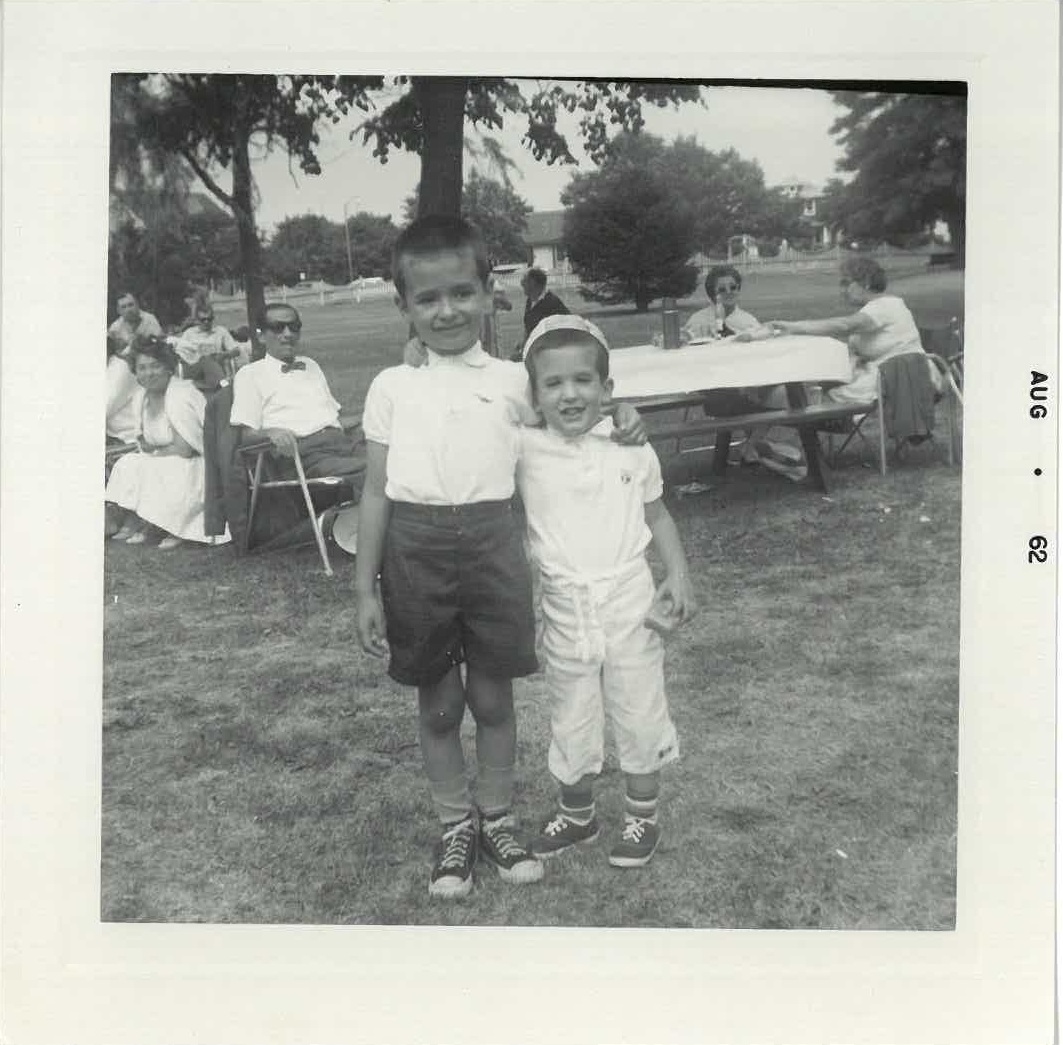
Ron was my younger brother. He was Ronny as a boy. He was also Bo, because my father wore a bow tie to work. When Dad came home, Ronny was waiting for him with a bow tie around the soft cotton collar of his polo shirt. My mother tied it for him. Parents back then knew how to tie bow ties.

Ronny and I shared our childhood, on our bikes and sleds and with our bats and balls.
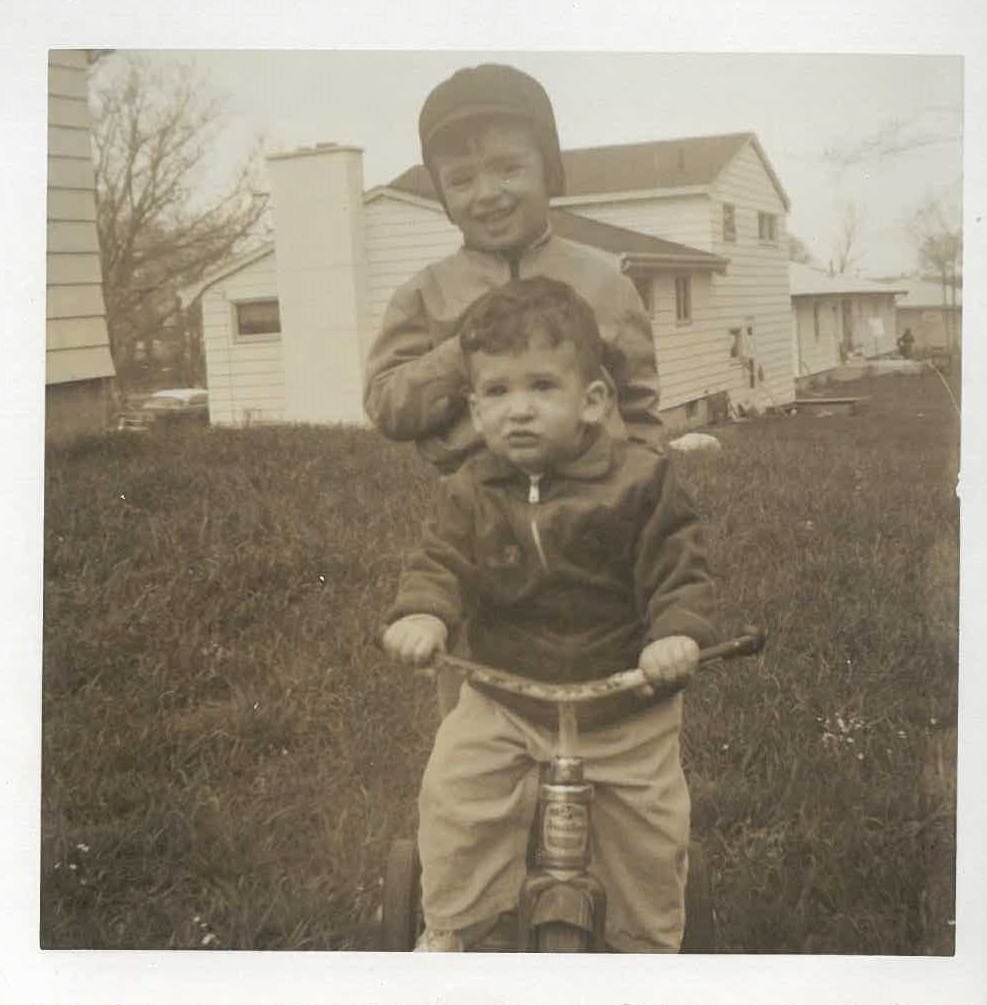
Ronny loved baseball. His life roller-coastered up and down with the Red Sox. Mostly down. When our sister, Gayle, was born, he dubbed her playpen “the bullpen.” When we wanted to play with Gayle, he’d signal to me to bring in the lefty and I’d haul her out of the bullpen.
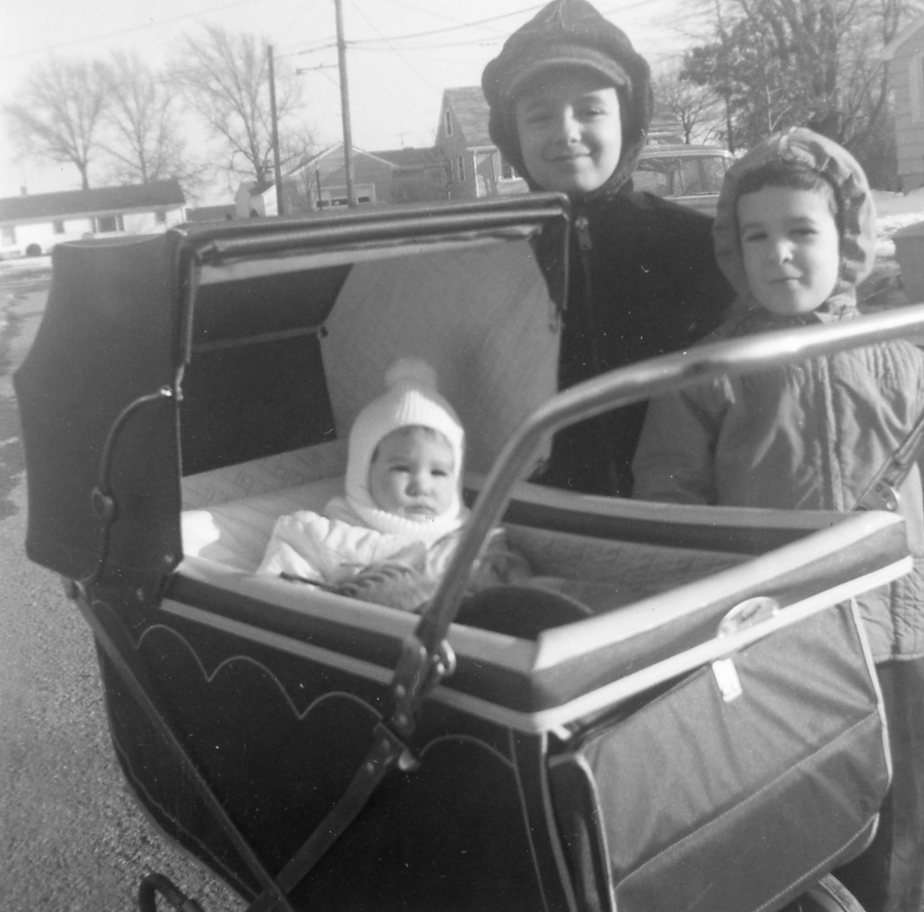
Ronny and his friend, Kevin, played catch in the winter with a baseball wrapped in a plastic bag. Being a kid, Ronny was distracted by another activity and left his glove out on the wooden picnic table in our back yard. The glove spent the winter hibernating under the snow. In the spring, when the snow melted and it was time to play ball, his glove was easy to find.

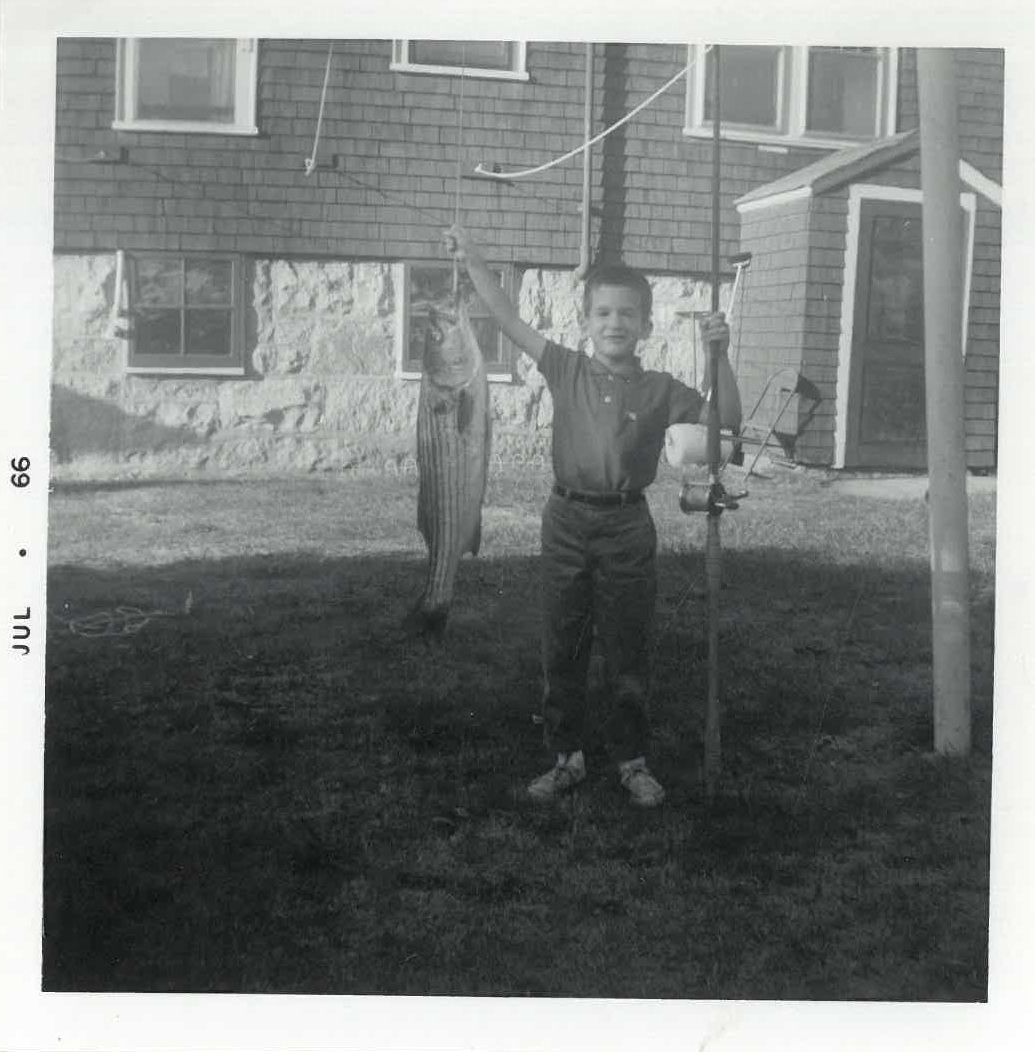
He also loved fishing, particularly from a charter boat, because charter boats always served cheap hot dogs. He was good at fishing. The only thing I ever caught was a starfish. (It gave me a battle.)
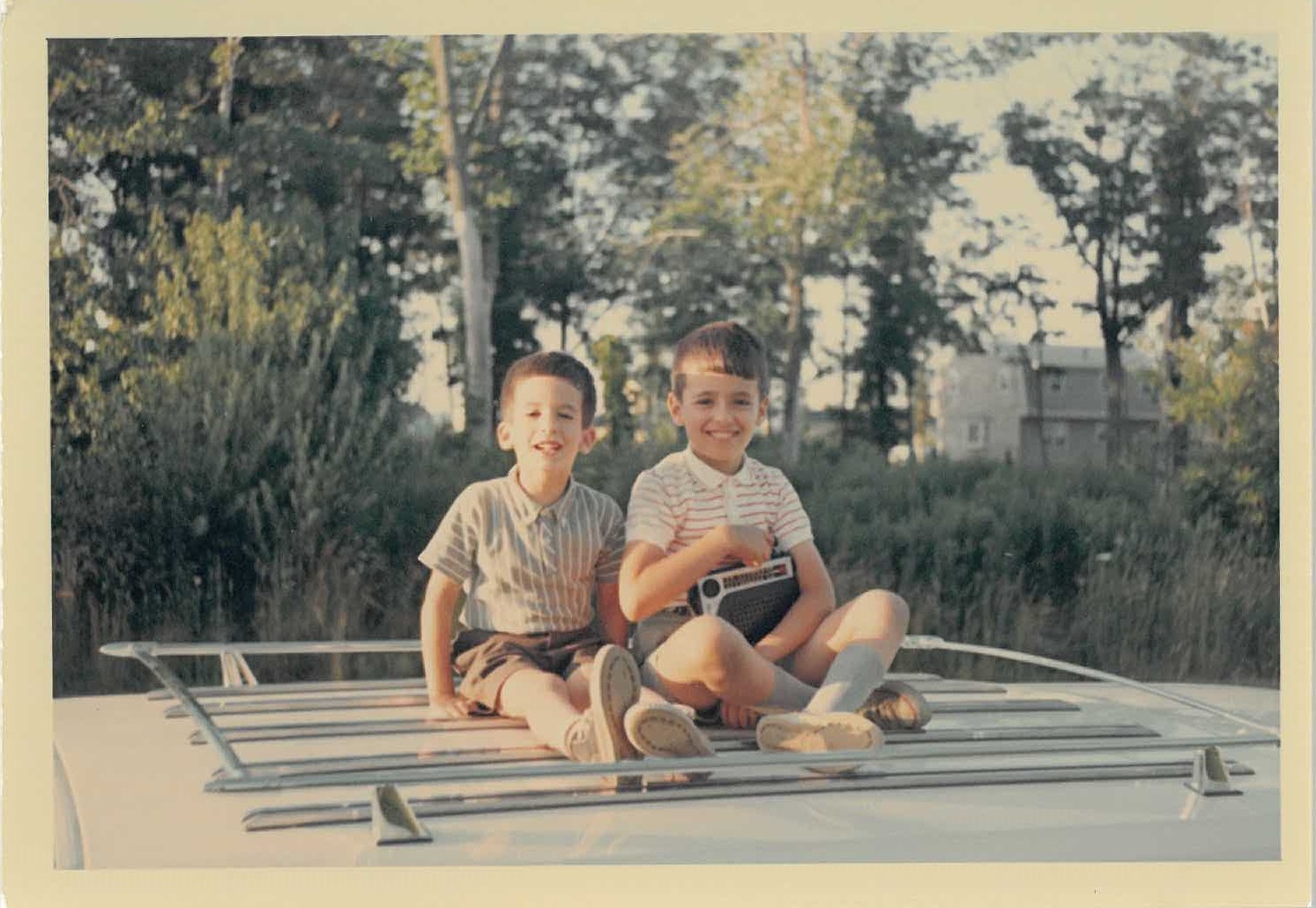
We had many adventures in our little town, like the time we started a radio station on the roof of our station wagon.
After his bar mitzvah, as he entered his teen years, Ronny became Ron. He played on a Little League team but he eventually lost interest in baseball. He replaced baseball with the news and with all-night radio. He became withdrawn, spending hours alone, pacing and muttering. And yet he still showed flashes of his old self. He could imitate anyone on television and all of the uncool old people at our synagogue. He did voices. People think I’m the funny one. It was Ron.

My parents bought him a car so he could commute to college. He loved the freedom it gave him.
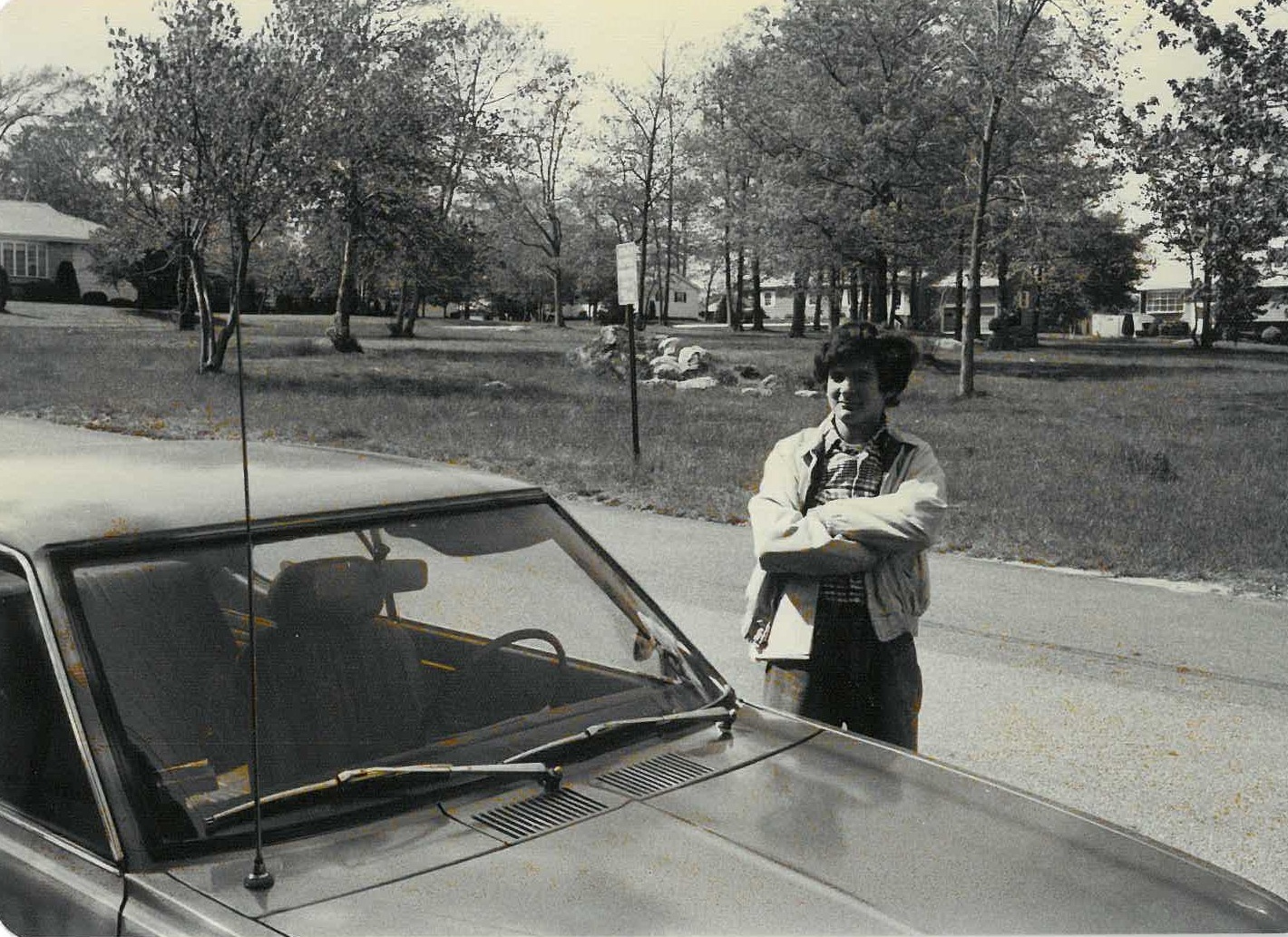
He ate popcorn from a paper box while he drove and tossed the empties into the backseat. He was always a slob. I know. I shared a bedroom with him.

Ron left our family in 1985. We eventually found him in New York City, but he didn’t want to have anything to do with us. We had no contact with him for 38 years.

He lived hand-to-mouth, though he was never homeless, addicted, or imprisoned. In his last decade he formed a new family, a group of Christians who met in each other’s homes and who took the notion of caring for the sick and poor seriously. They fed him after their services. They were patient. He finally left off muttering and started talking to them. They got him on Social Security and Medicare. They did what they could, which was a lot.

They arranged a meeting between Ron and me. I brought my niece along as backup. This meeting solved nothing and answered nothing.

That was three years ago. Ron died last week, in the bedroom of his apartment. He was 67. I can’t imagine the stresses he faced in his life, nor will I ever know how he survived in Manhattan given how far he had traveled down the road of mental illness.

It’s been a lifetime since I sensed him standing beside me.
This wasn’t the closure my family wanted. But it’s closure. We’re grateful that we know what happened.

If there’s anything you can take away from what I’ve written, then I suggest you call or text or write a sibling or a friend or a co-worker from the old days and say hello. I’m as guilty of not doing this as anyone. But really, it’s easy. It’s as easy as eating popcorn and throwing the box over your shoulder.
Thank God It’s Monday 6

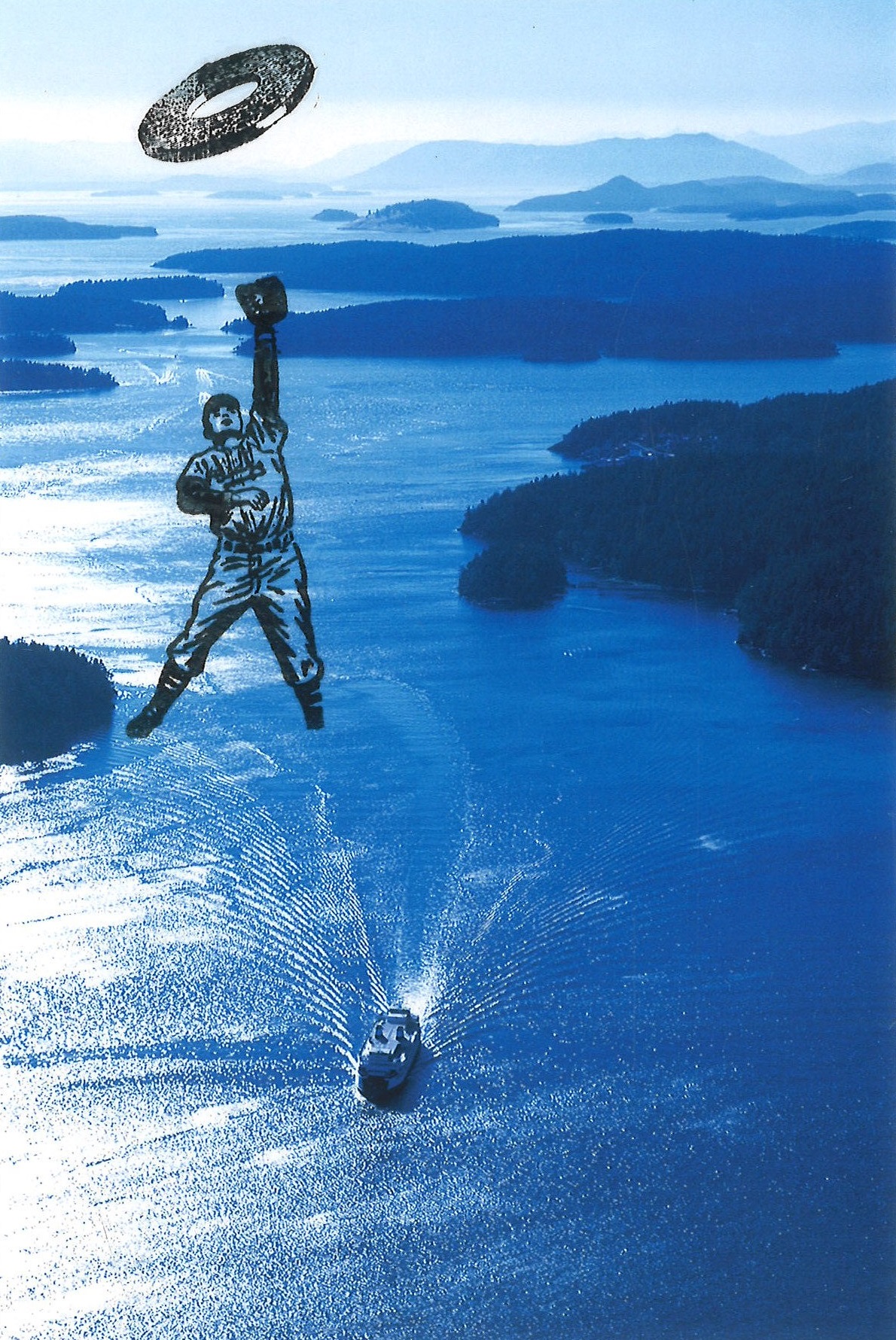
If you decide to make a career out of defacing postcards, you don’t have to confine yourself to antique cards with a paper finish. You can always stamp modern postcards, which have a shiny, slick surface. Collectors call these cards “chromes,” short for Kodachrome.

Caption on the back: “A Washington state ferry navigates Harney Channel in the San Juan Islands.”

The ink on a modern postcard (or a photograph) will never completely dry, though you should be able to color it with markers after a few weeks.

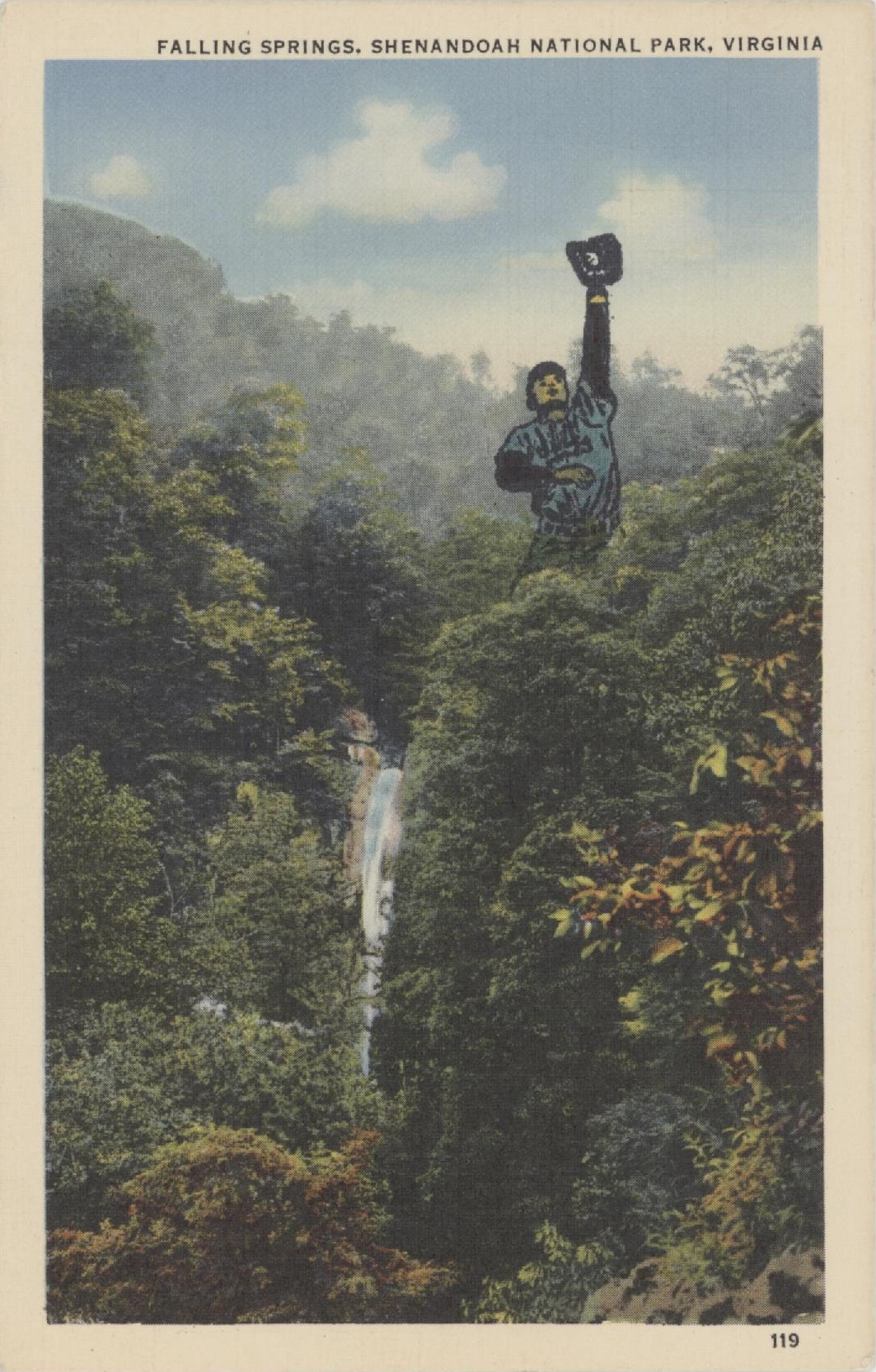
This baseball player is a particularly useful little guy. Here he is on a card from the 1920s:

He’s also good for standing upside down, dancing like no one is watching, holding onto objects while being blown sideways, and chasing through space.

A splendid little war

Of all the wars, police actions, regime changes, and interventions to protect American lives and property that this country has jumped or been dragged into, the Spanish-American War still carries a bit of a shimmer. Words and names from this conflict cling to our national consciousness:

“Remember the Maine, to hell with Spain,” Teddy Roosevelt, Teddy Roosevelt and his Rough Riders, Teddy Roosevelt and the charge up San Juan Hill, yellow journalism, “You may fire when you are ready, Gridley,” probably Teddy Roosevelt again, and the quote I’m using as my title.

Nevermind that the war barely lasted the summer of 1898 and killed hardly anybody. Hardly any Americans, that is, not counting the 2,000 U.S. soldiers and sailors who died from tropical diseases.

Nevermind that the battleship Maine was not a battleship and that analyses over the decades can’t decide whether the ship struck a mine or if a fire in the coal bunker set off an ammunition magazine.

Nevermind that the Spanish navy, which the yellow press warned would bombard U.S. cities on the East Coast, during the war could barely sink a rowboat and in fact I could’ve beaten their armada with my own rowboat and a couple dozen bags of weighted chess pieces.

Nevermind that the people we liberated from Spanish tyranny in the Philippines objected to living under American tyranny and instead launched a four-year rebellion (in this country known as the Philippine Insurrection, because obviously the Filipinos were in the wrong).

And nevermind that President McKinley, after failing to negotiate a compromise with Spain, asked Congress for the authority to go to war.

Kiss me, I’m a pedophile

Now we’re at war with Iran, a country nobody likes. Iran represents a threat to the United States that is so terrible that when we started bombing them, they struck back at…their neighbors. They can’t actually reach the United States, unlike Russia, China, and North Korea. I notice we’re not bombing any of them.

I also don’t know why Trump loves the Iranian people, hates the Ukrainian people, and loves people in his own country only if they voted for him.

Trump’s call for the Iranian people to rise up and take back their country reminds me of George W. Bush’s statement about the Iraqi people: “When they stand up, we’ll stand down.” That worked brilliantly.

So the bombing of Iran seems to me to be Trump’s attempt to get everyone to stop talking about the sluggish economy, the mass layoffs, affordability, ICE’s ideas on how to carry out the teachings of Jesus, bribery, extortion, money shoveled at billionaires, and, of course, the Donald Trump Jeffrey Epstein Memorial Files.

Perhaps someday, when the smoke clears and Iran is a rainbow-covered paradise of unicorns who shit gold coins and Twinkies, when the Chairman of the Board of Peace receives his Nobel Peace Prize for his innovative solution to bringing peace to the smoking craters that constitute much of the Middle East, he can declare a National Pedophilia Day to honor the brave sacrifices of all the wealthy white men across this fair land.

The rainbows, of course, will not mean that anyone wants gay people around.

Back to my so-called writing career next week. Unless the crypto-currency market crashes and Trump decides to bomb something else.