O brother, where art thou?

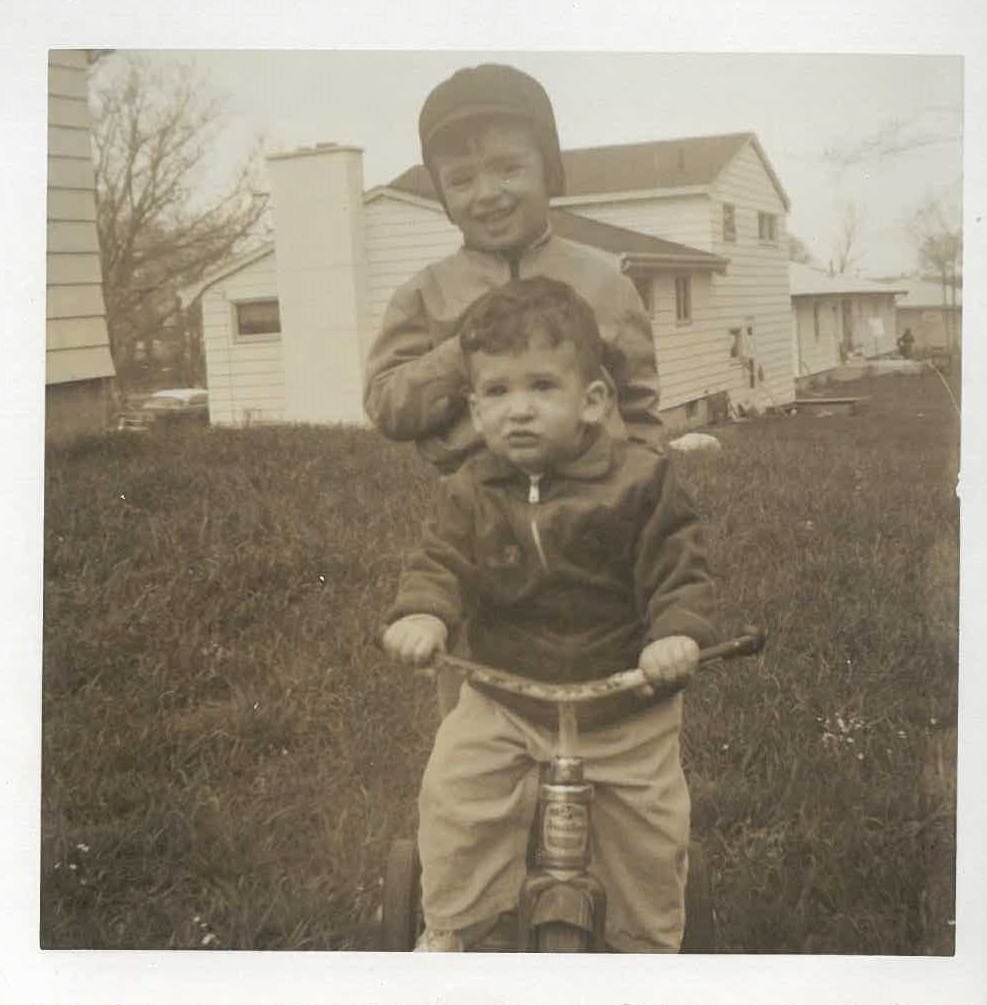
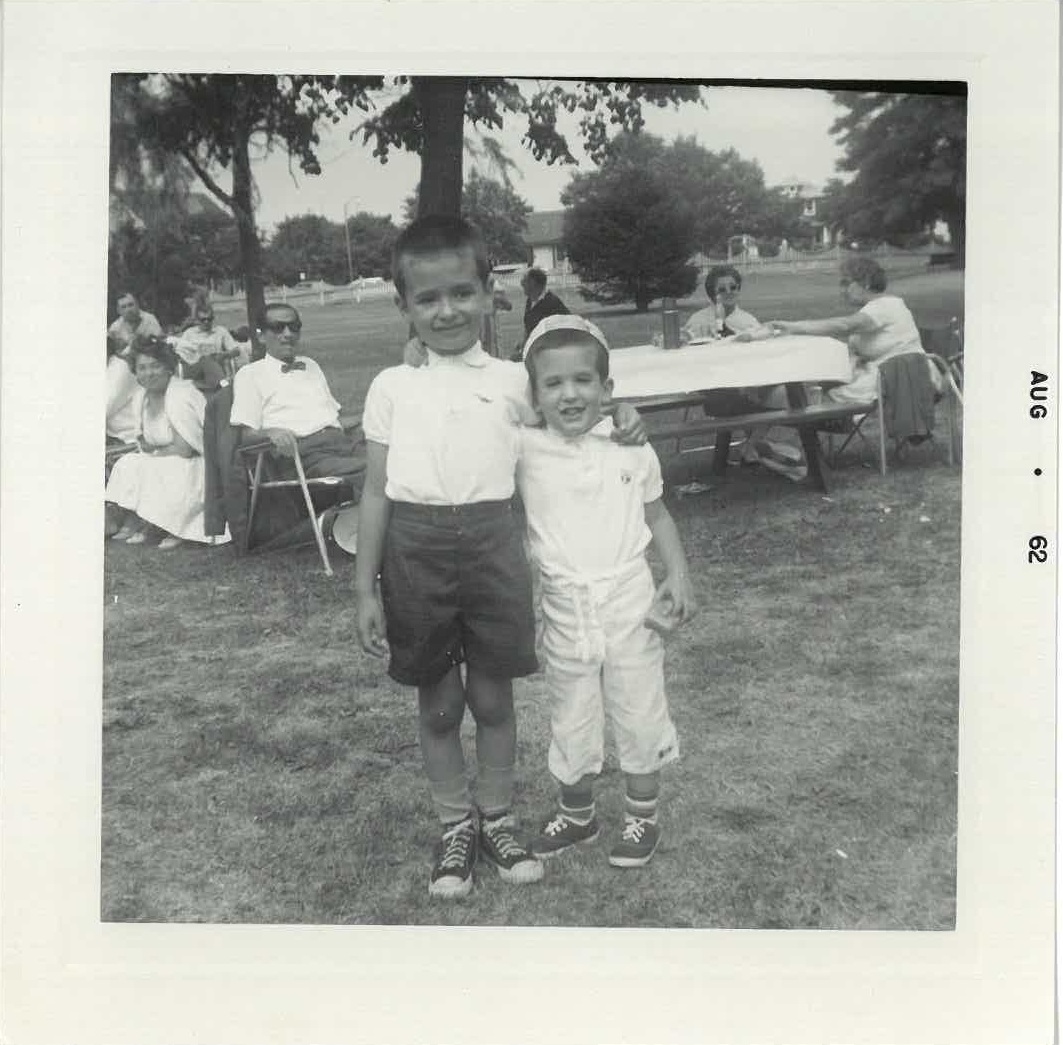
Ron was my younger brother. He was Ronny as a boy. He was also Bo, because my father wore a bow tie to work. When Dad came home, Ronny was waiting for him with a bow tie around the soft cotton collar of his polo shirt. My mother tied it for him. Parents back then knew how to tie bow ties.

Ronny and I shared our childhood, on our bikes and sleds and with our bats and balls.
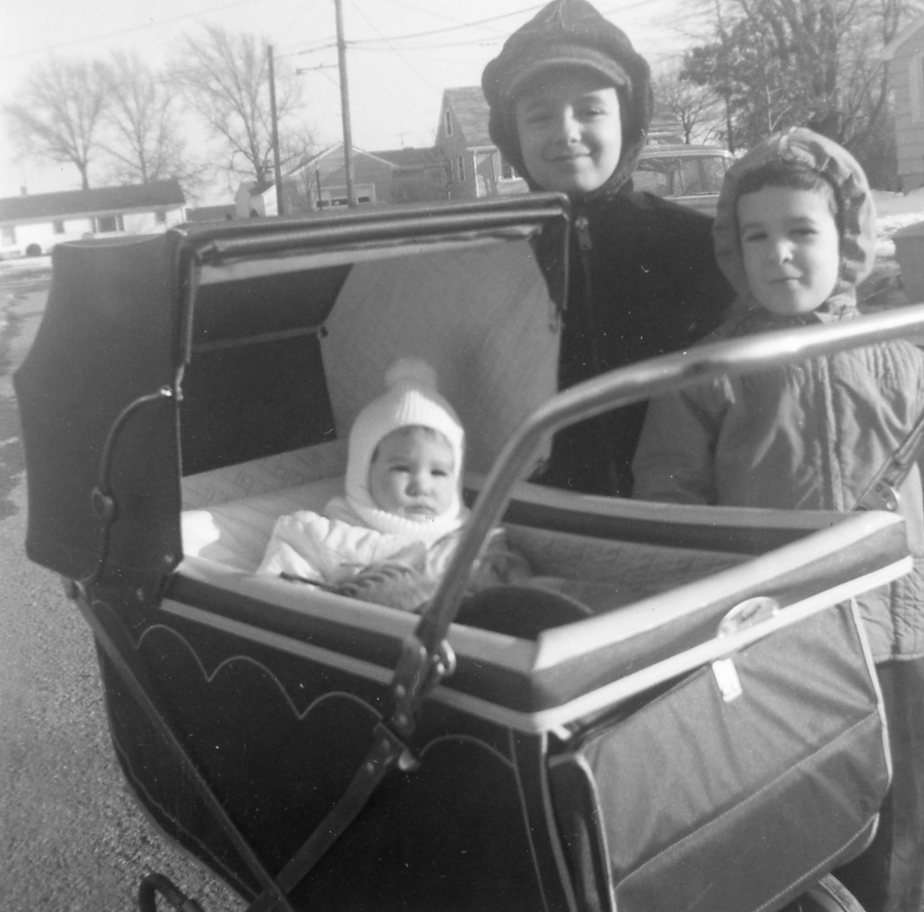
Ronny loved baseball. His life roller-coastered up and down with the Red Sox. Mostly down. When our sister, Gayle, was born, he dubbed her playpen “the bullpen.” When we wanted to play with Gayle, he’d signal to me to bring in the lefty and I’d haul her out of the bullpen.
Ronny and his friend, Kevin, played catch in the winter with a baseball wrapped in a plastic bag. Being a kid, Ronny was distracted by another activity and left his glove out on the wooden picnic table in our back yard. The glove spent the winter hibernating under the snow. In the spring, when the snow melted and it was time to play ball, his glove was easy to find.

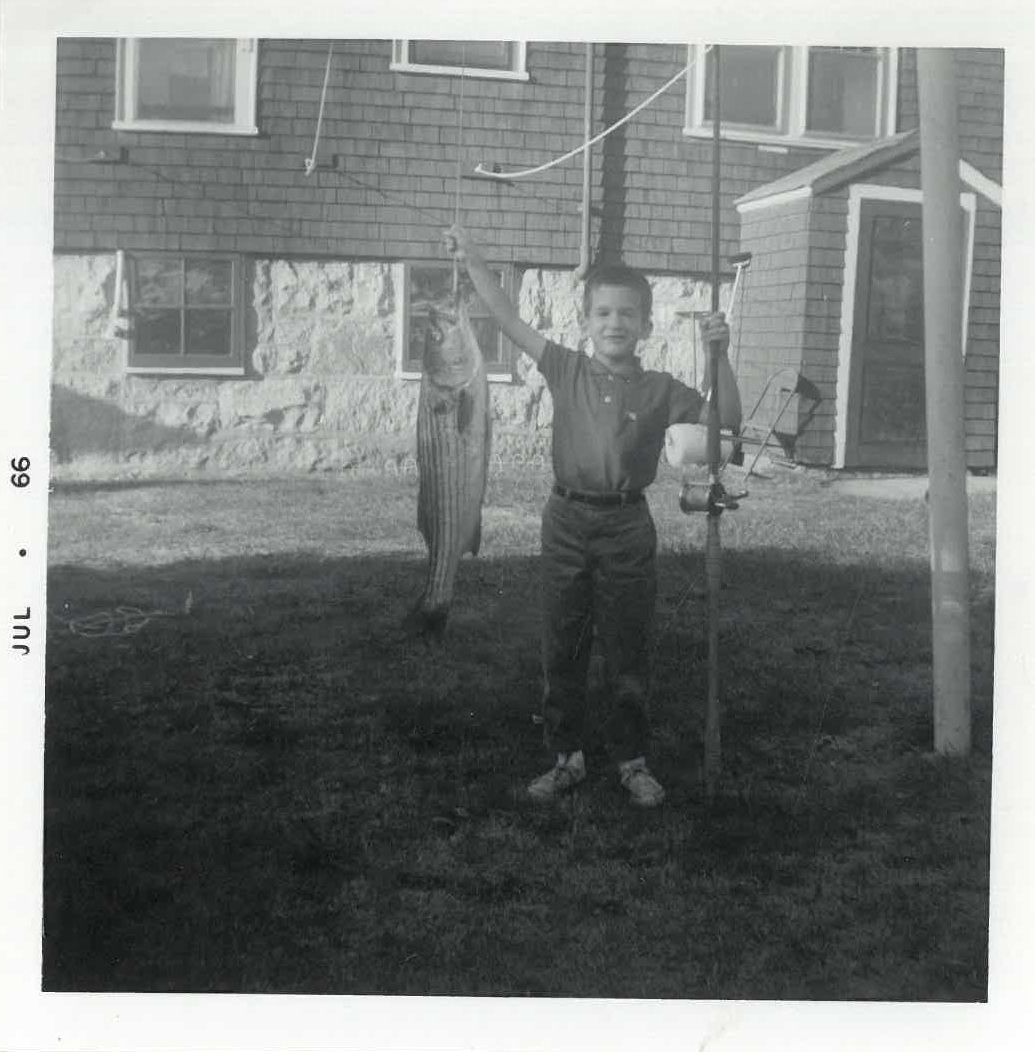
He also loved fishing, particularly from a charter boat, because charter boats always served cheap hot dogs. He was good at fishing. The only thing I ever caught was a starfish. (It gave me a battle.)
We had many adventures in our little town, like the time we started a radio station on the roof of our station wagon.
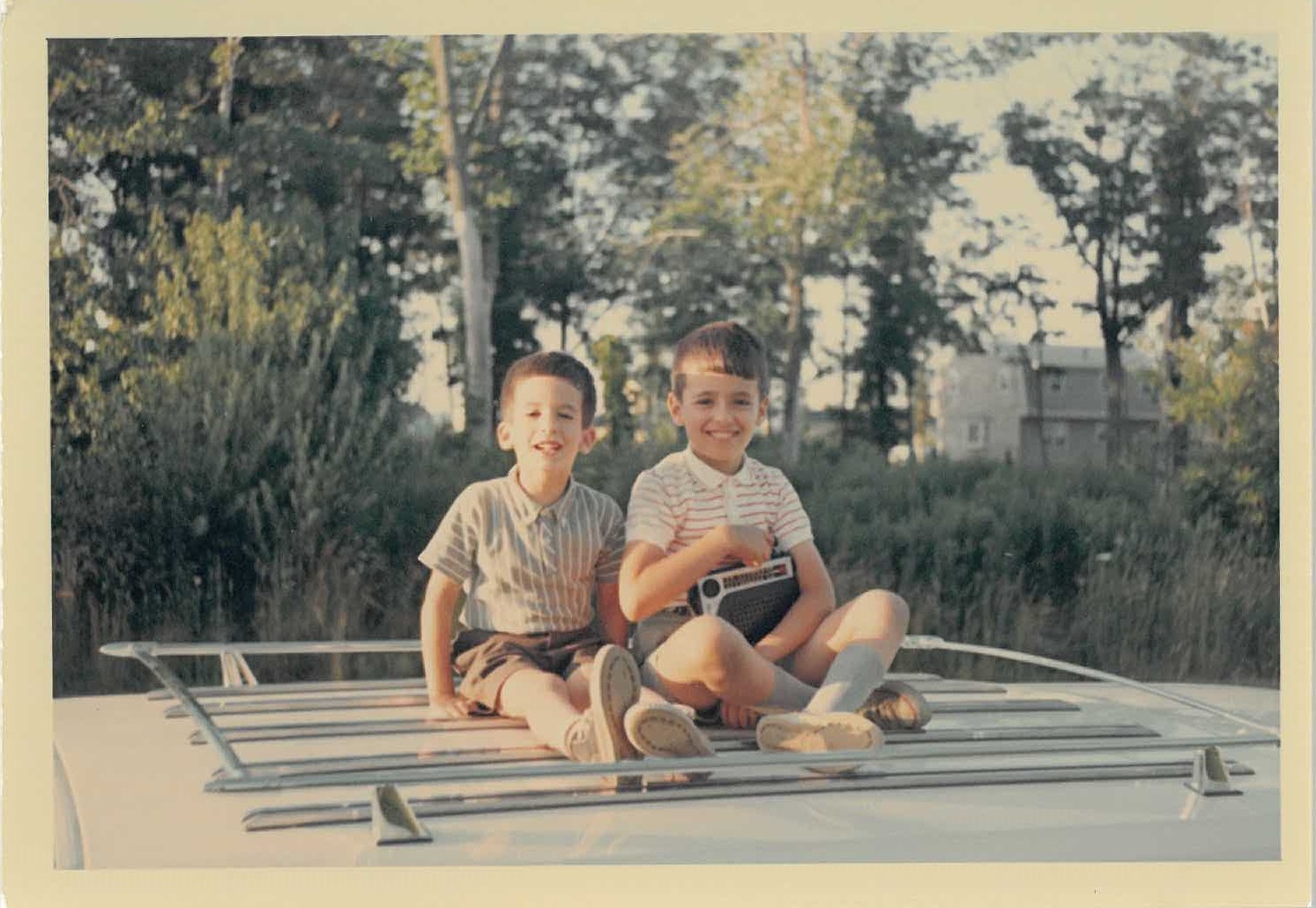
After his bar mitzvah, as he entered his teen years, Ronny became Ron. He played on a Little League team but he eventually lost interest in baseball. He replaced baseball with the news and with all-night radio. He became withdrawn, spending hours alone, pacing and muttering. And yet he still showed flashes of his old self. He could imitate anyone on television and all of the uncool old people at our synagogue. He did voices. People think I’m the funny one. It was Ron.

My parents bought him a car so he could commute to college. He loved the freedom it gave him.
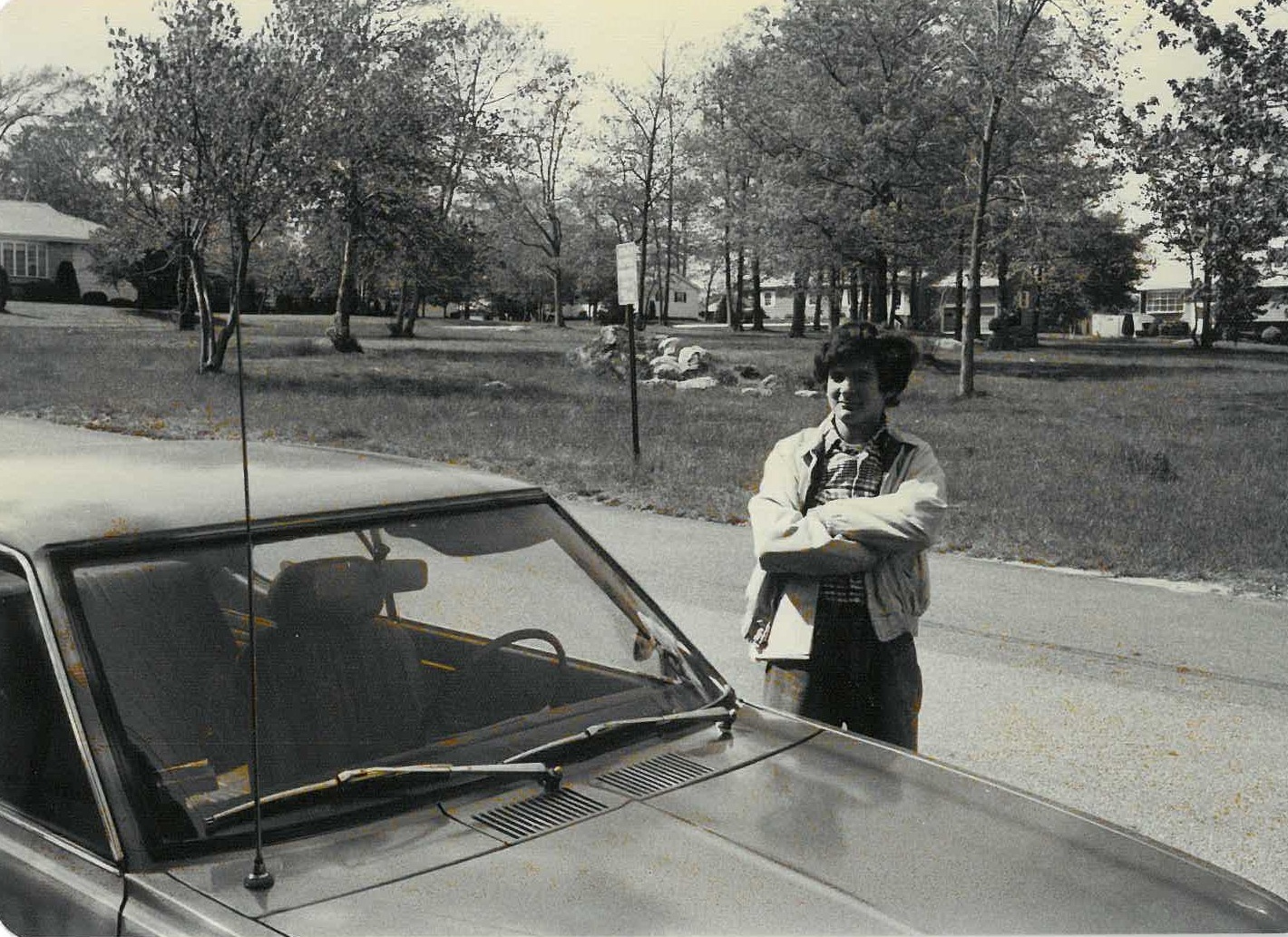
He ate popcorn from a paper box while he drove and tossed the empties into the backseat. He was always a slob. I know. I shared a bedroom with him.

Ron left our family in 1985. We eventually found him in New York City, but he didn’t want to have anything to do with us. We had no contact with him for 38 years.

He lived hand-to-mouth, though he was never homeless, addicted, or imprisoned. In his last decade he formed a new family, a group of Christians who met in each other’s homes and who took the notion of caring for the sick and poor seriously. They fed him after their services. They were patient. He finally left off muttering and started talking to them. They got him on Social Security and Medicare. They did what they could, which was a lot.

They arranged a meeting between Ron and me. I brought my niece along as backup. This meeting solved nothing and answered nothing.

That was three years ago. Ron died last week, in the bedroom of his apartment. He was 67. I can’t imagine the stresses he faced in his life, nor will I ever know how he survived in Manhattan given how far he had traveled down the road of mental illness.

It’s been a lifetime since I sensed him standing beside me.
This wasn’t the closure my family wanted. But it’s closure. We’re grateful that we know what happened.

If there’s anything you can take away from what I’ve written, then I suggest you call or text or write a sibling or a friend or a co-worker from the old days and say hello. I’m as guilty of not doing this as anyone. But really, it’s easy. It’s as easy as eating popcorn and throwing the box over your shoulder.
Thank God It’s Monday 10

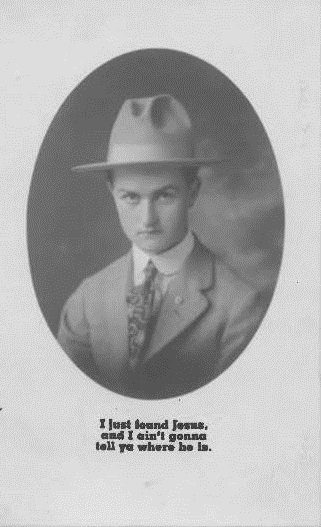
Donald Trump is confused. First he thought he was Jesus. Then he thought that Jesus was a doctor. And then he thought that he and Jesus could heal the sick by taking their money so they couldn’t pay for a doctor.

Trump is not too clear on his job description. He doesn’t know much about other jobs, either. He said that Pope Leo is “weak on crime.” Trump doesn’t understand that the Pope can’t arrest people. His Holiness can’t even bust wayward altar boys.

In honor of Donald Trump’s love affair with the Son of God, here’s a postcard from my collection. This card was published before World War I, in the era when you dressed up and visited a photography studio and they turned your photo into postcards. There’s no note on the card to reveal the identity of the man in the hat. If there’s a heaven, I hope this gentleman will forgive me for the caption I gave him.

Conan, you nut

I thought “geography is destiny” was a quote from an ancient and revered book, such as The Prince, The Art of War, or the Tibetan Book of the Dead. I was surprised to search for its source and discover an Ethopian-American writer named Abraham Verghese who is very much alive and writing.

Do the Tibetans read any fun books?

I bring this up because my editor and my wife have both said that my book lacks specificity. Meaning, why did I make everything up? Where are we really? What state is this?

There are several stories about Robert Louis Stevenson’s inspiration for Treasure Island. Here’s the one I prefer. RLS was painting the walls of a bedroom with his stepson when he was caught by the shape of one of his paintbrush doodles. He expanded it and reshaped it and it looked to him like the map of an unknown land. Next thing you know, we’ve got the books and the movies and one-legged buccaneers with parrots and everyone declaiming “Arrr” and speaking like a Welshman.

Deborah and I have painted many rooms and we’ve done plenty of doodling, including the time we were painting a basement when we realized, wait a second, this is a basement, who cares, and we stopped taping things off and we started rolling into and out of corners and racing around and right over unlucky spiders.

But that’s not where my book began. My book began on my sixth birthday when my father and my Uncle Morry gave me an Lionel electric train set. That was the first step. The second might’ve been right here:

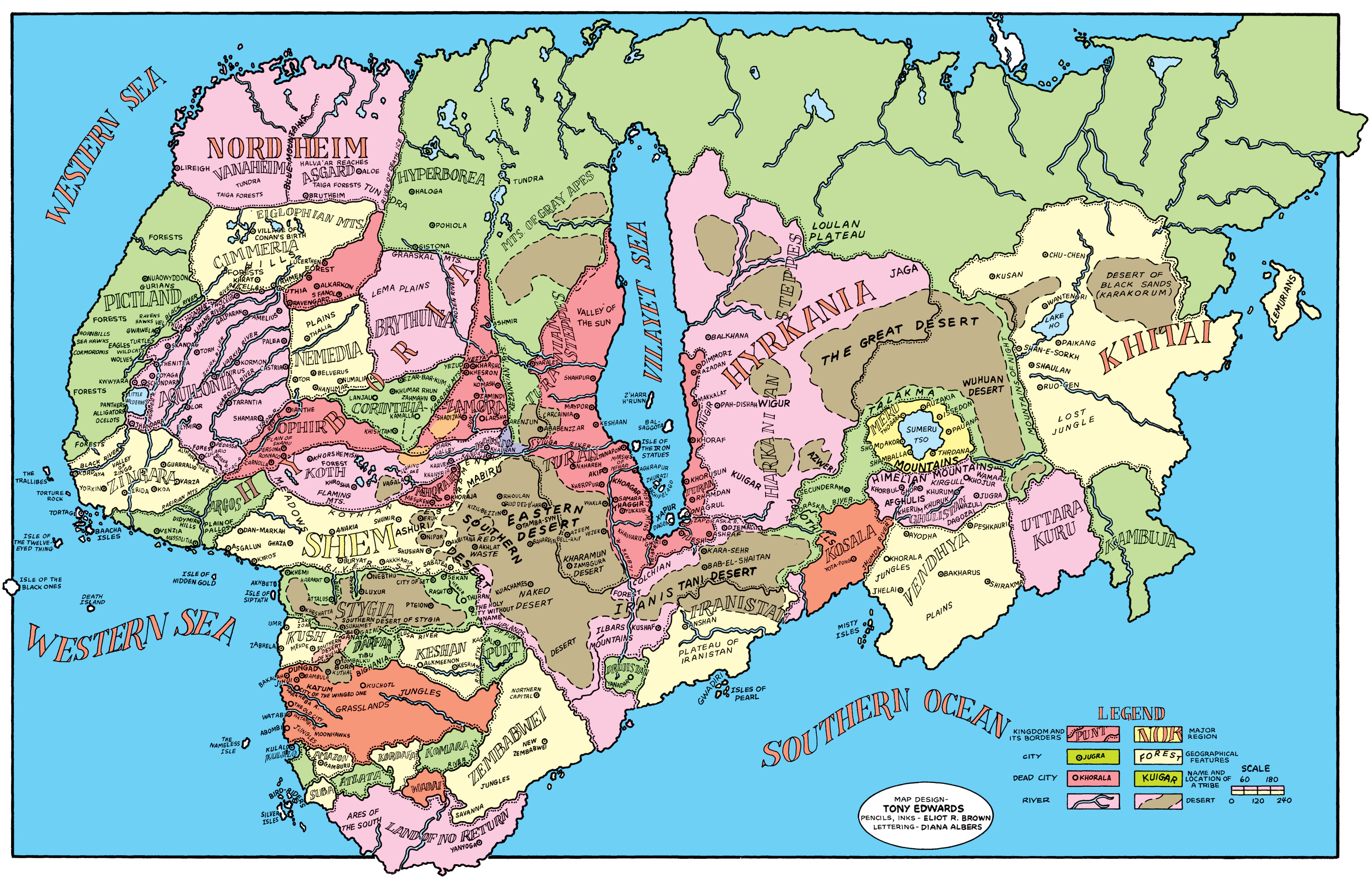
This is a map of the Hyborian Age, invented by Robert E. Howard. It was accompanied by an essay on the civilizations of that time and I found it in the front of a Conan book I read when I was 12.

I soon gave up on Conan, as the formula was too predictable and there were so many writers listed on these things that they felt like a committee or a football club. I’m fairly sure I read Conan the Freebooter and probably Conan the Bootscooter. Howard’s writing was serviceable, certainly on a par with Andre Norton, though I note that Ms. Norton wrote her own books and didn’t require the 14 relief pitchers listed in Conan’s Wikipedia entry. But I never gave up on that map (and that essay).

My point is that, no matter how old you grow, you will never outrun your childhood.

My book is set, not in Hyperborea, Earthsea, or Middle Earth, but in the mythical kingdom of Colorado.

Thank God It’s Monday 9

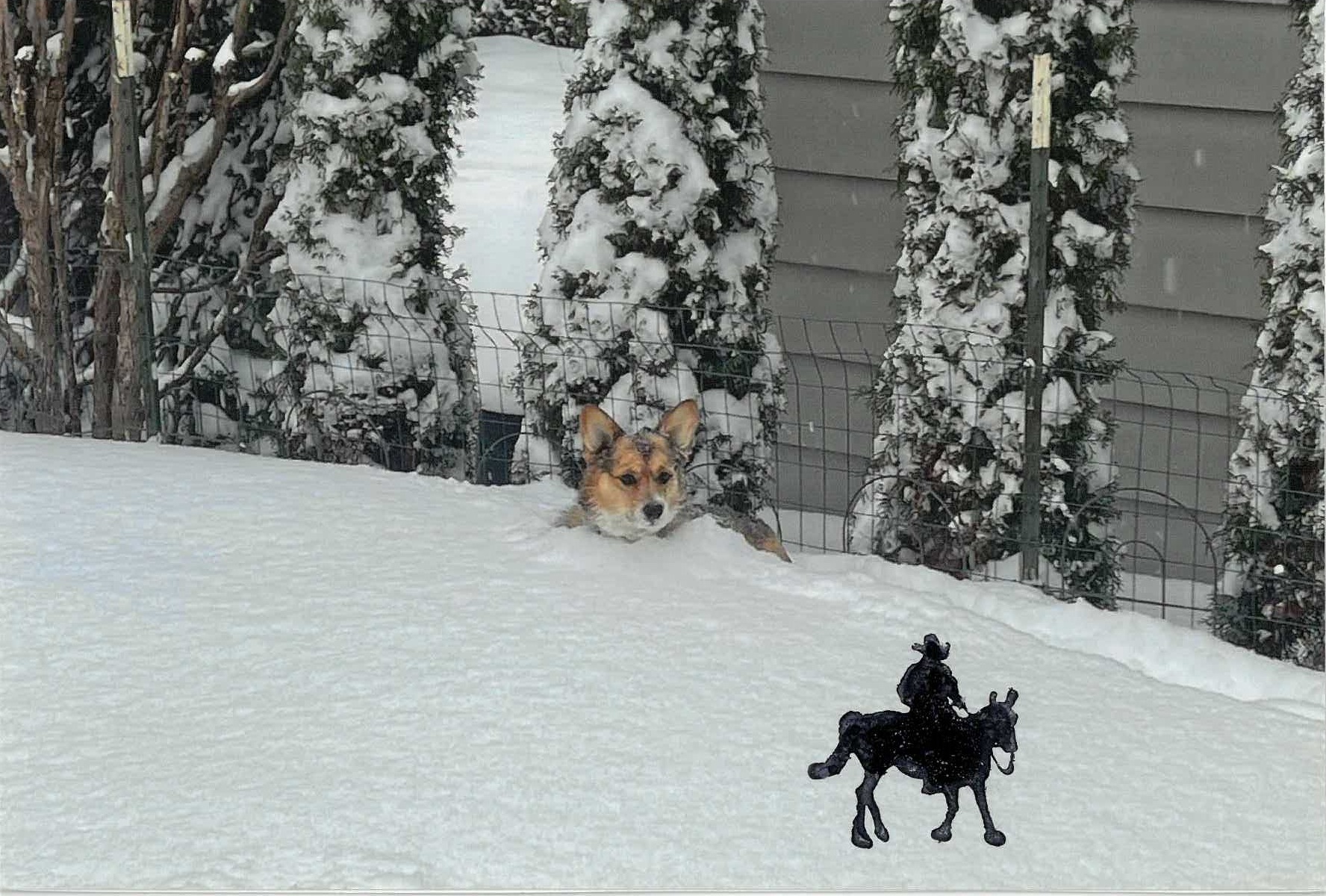
The atmosphere of Earth 1 is growing warmer. There may be fewer backyards full of snow in our future. We had almost no snow in our backyard this winter. So here’s a photo of the snows of yesteryear, otherwise known as 2023.

Tango the moment before she exploded into action. Our property was invaded by a lone Nazgûl, one of Sauron’s Black Riders. Bing Crosby sang a song about him back in 1936:

I’m an old Nazgûl, from the Rio Grande
But my legs ain’t bowed and my cheeks ain’t tan
I’m a cowboy who never saw a cow
Never roped a steer cause I don’t know how
Sure ain’t a fixin to start in now
Yippie yi yo kay-ay

“Yippie yi yo kay-ay” is, of course, from one of the Elven languages. I’m not sure of its meaning. Some filler stuff about a Ring.

This goes-anywhere stamp was published by Art Impressions of Salem, Oregon, year unknown. If you go looking for it, the stock number is F-3270.

How to revise your novel in 10 simple steps: I’m lying

Do you really need 10 steps to revise your novel? Can’t you do it in three? Or is the true number 127? I have written 74,083 words of my book and the last two words were THE END so you’d think I’d know what I’m talking about. I don’t.

Here’s where I am so far, and I hope something I’m about to type will be of use.

1) I took the 5,000-word critique my editor wrote and the feedback from my wife and a trusted friend and combined them in one file. I don’t agree with everything they said, but most of it was worth considering and some of it was eye-opening.

2) I organized that file into something I could read. Blocks of text like Roman columns would be impenetrable. 500 bullet points would give everything equal weight, like potato chips.

Fortunately, Word has all the tools I need: Paragraphs, indents, boldface, borders, italics, underlining, and symbols for geometric shapes, musical notes, and my favorite, harpoons. Warning: Don’t make a craft project out of this. The idea is to create a hierarchy, not a hairstyle.

3) I sat and thought. I walked and thought. I napped and thought. This is also called procrastination.

4) Since the only way to tackle a large project is to take it one step (or bird) at a time, I’ve chosen characters as my first step. The consensus seems to be that I have too many, approximately enough to reenact the Battle of Hastings. This was never a problem for Dickens, and when I read Balzac last year I was impressed that he was still inventing characters in the final pages, but it seems that my skills are pitched a bit lower than those boys. For me, less is more…attainable.

My immediate goal is to figure out what each character is doing in my story, or what they think they’re doing. They may have wandered into my book from someone else’s. I will evict some. I will combine others by running them through the transporter during an ion storm.

My long-term goals are to finish revising this first book and begin writing my second book while staying hungry and keeping it real. Live my best life; fuck some shit up. More next time.