Thank God It’s Monday 2

I admit that it’s Tuesday and not Monday. Why didn’t I post my next postcard yesterday? “I hate Mondays.”

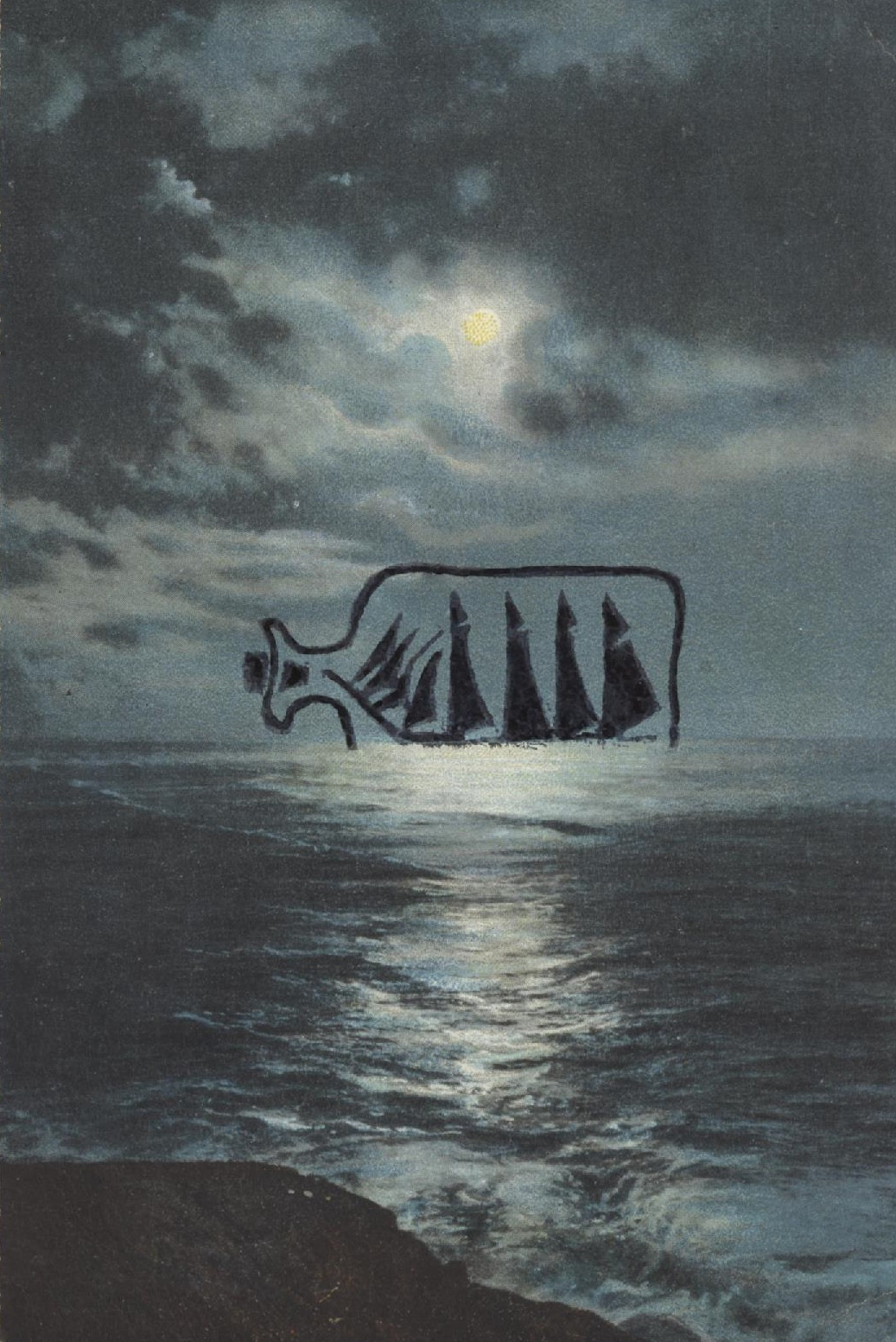
This week I continue my seafaring theme with a very useful stamp produced in 1993 by A Stamp in the Hand Company. In the tradition of most rubber-stamp companies, they seem to have disappeared.

What makes this stamp useful is that it’s mostly an image of a glass bottle. If you stamp it over a postcard, the features behind it will show through…exactly as if you were looking through a real glass bottle. It looks real, or as real as a giant glass bottle on the horizon can look.

It also helps that the sails are black, as if seen in shadow.

This card is a black and white image that was hand-tinted in Germany before World War I.

Happy belated Monday, everyone. Stay safe out there.

Thank God It’s Monday 1

Jeff Goins wrote Real Artists Don’t Starve. I’m not recommending this book. But Goins does emphasize that you should never create for free. I haven’t always kept to that plan–there was one story I desperately wanted to publish, and no paying market would touch it–but I’ve tried.

Goins relates an interesting statistic. The majority of people who take unpaid internships never get offered a full-time job. The majority of people who take PAID internships do get offered a job. So when someone offers you exposure instead of cash, ask yourself how much coffee you can buy with exposure.

Goins, in describing artists we can all emulate, for instance Michelangelo, notes that they didn’t confine themselves to one art form. So every Monday for the rest of 2026 I’ll expand my portfolio by sharing my altered postcards.

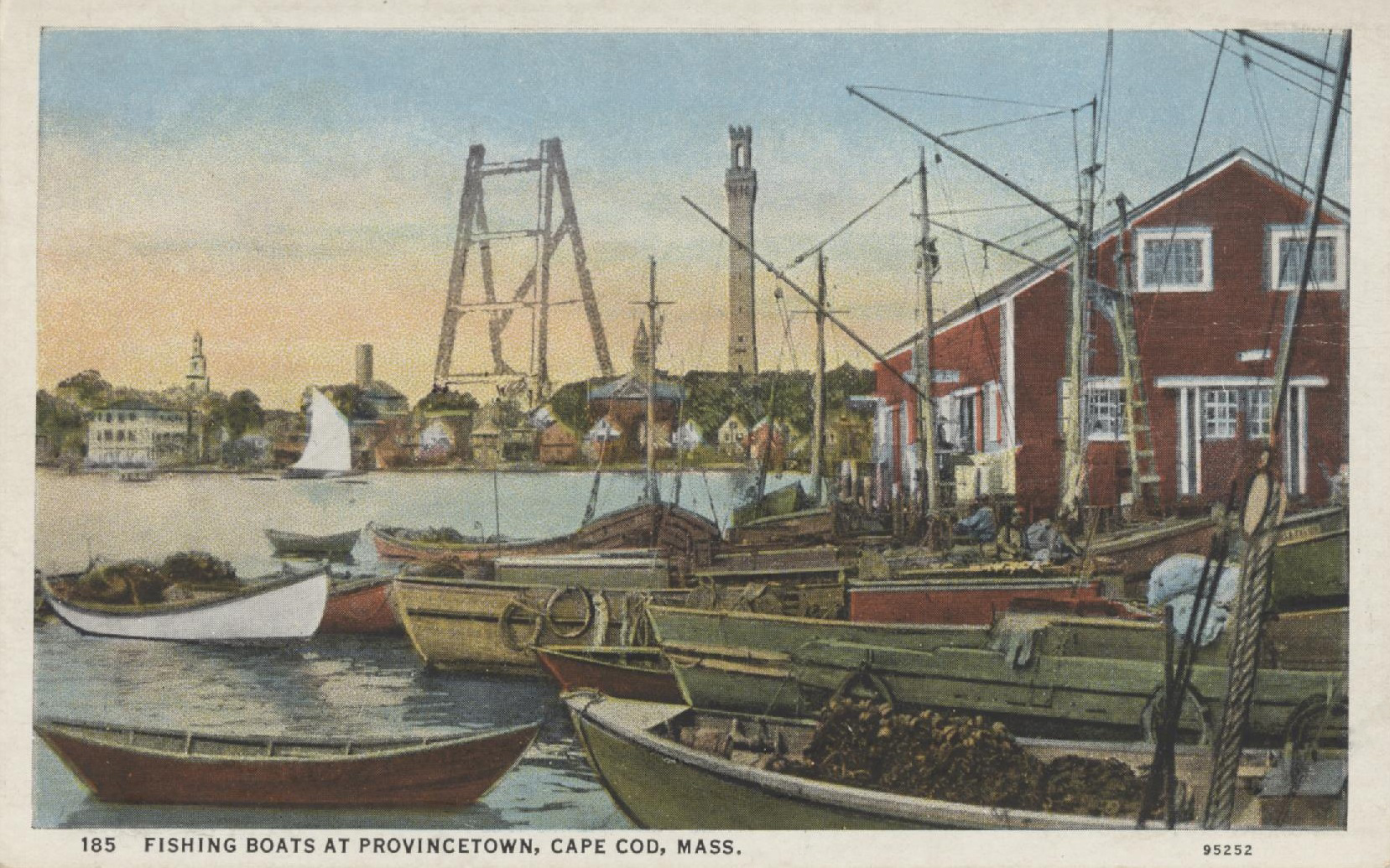
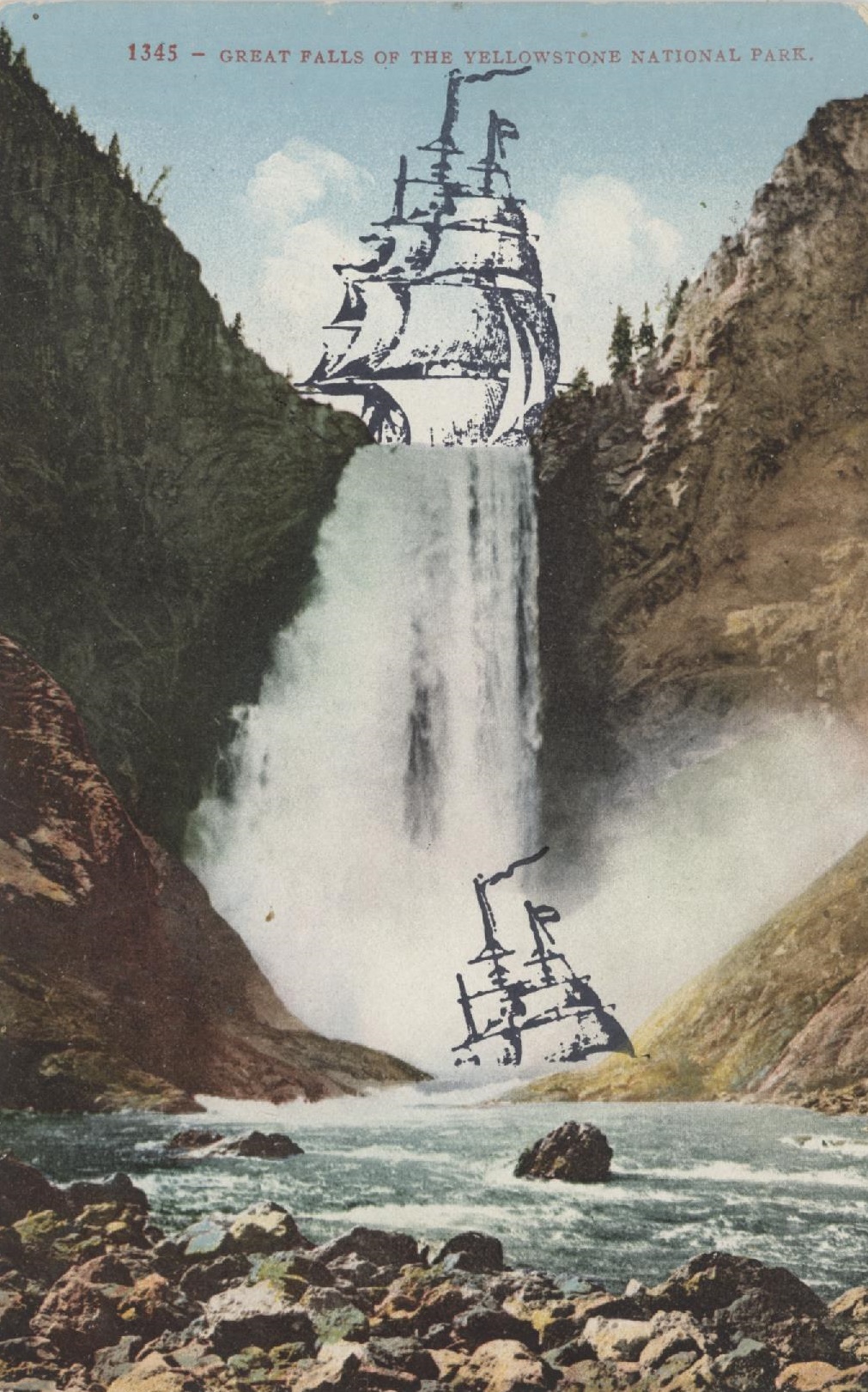
I don’t know if I invented the art form of rubber-stamping on old postcards, but I may have been the first person to write about it (Rubberstampmadness, 1993). Today’s card was published in the 1920s. I used extra thin paper to mask the ship’s hull. I only wanted the sails and rigging. Any resemblance between this image and my government’s economic policy is coincidental.